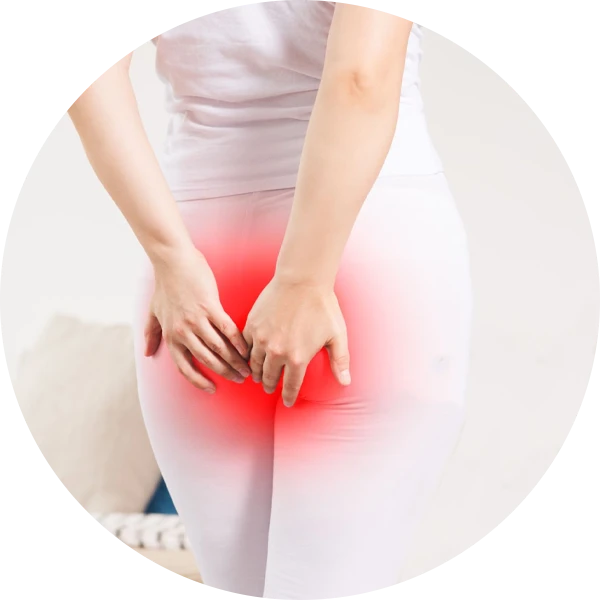
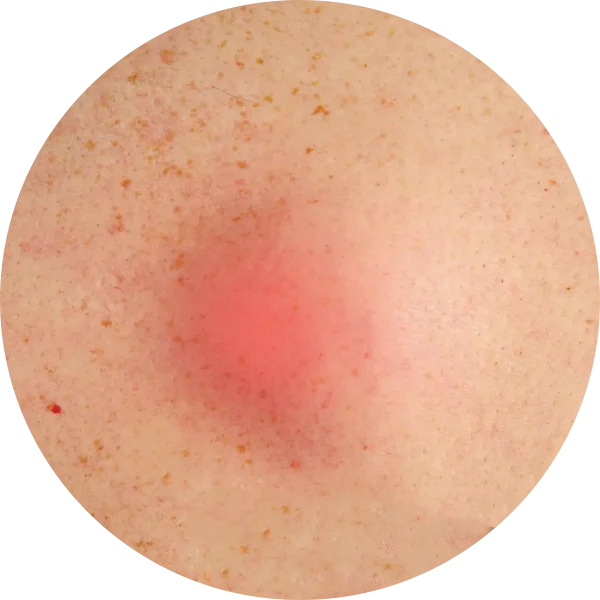
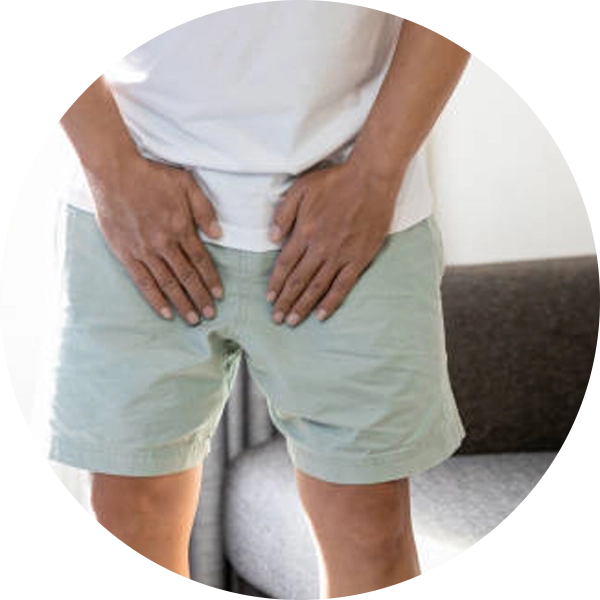
Piles, also known as hemorrhoids, are swollen and inflamed veins in the rectum and anus that cause discomfort and bleeding. They can be internal, developing inside the rectum, or external, forming under the skin around the anus. Piles are a common condition that can range from mild discomfort to significant pain and bleeding.
In Ayurveda, piles are known as Arsha. The term “Arsha” is derived from the word “ari,” meaning an enemy, and “vat,” meaning to torment. Thus, Arsha is a disease that torments a person like an enemy, causing significant pain and discomfort.
Ayurveda explains that Arsha is caused by an imbalance in all three doshas (Vata, Pitta, and Kapha), although one or two doshas are typically dominant. The primary cause, however, is a weakened digestive fire (Agni) and the accumulation of toxins (Ama) due to an unhealthy diet and lifestyle. The vitiated doshas, along with Ama, settle in the anal region, leading to the formation of fleshy growths or mounds, which are the hemorrhoids.

This is the primary cause. A weak Agni leads to poor digestion and the formation of Ama (undigested toxins).

Chronic constipation or straining during bowel movements is a major trigger.

Consuming cold, dry, light foods, excessive fasting, and a sedentary lifestyle can lead to an increase in Vata, which causes dryness and hardness of stools.

Eating spicy, hot, and pungent foods, along with excessive alcohol consumption, can increase Pitta, leading to inflammation and bleeding.

Consuming heavy, oily, and fried foods and a lack of physical activity can increase Kapha, leading to the formation of bulky, non-bleeding hemorrhoids.

Repeatedly holding back the urge to pass stools or gas can disrupt the natural flow of Vata.

Occupations that require long periods of sitting or standing can increase pressure in the rectal area.

Fleshy Growths
(Guda Pidika)

Bleeding
(Raktastrava)

Pain
(Shoola)

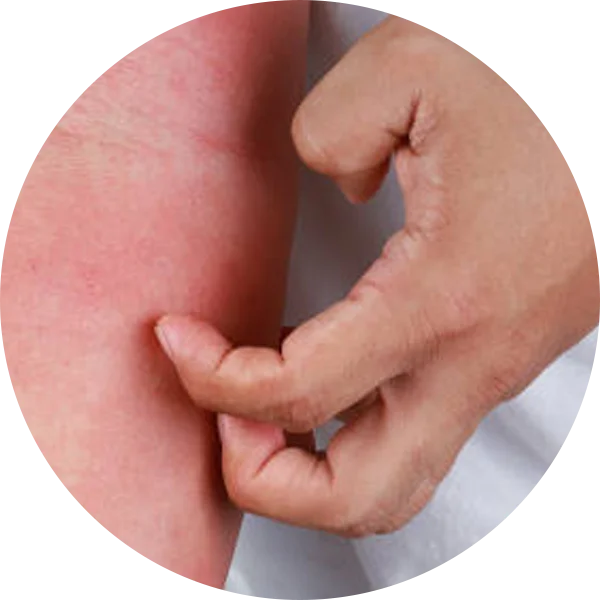
Itching
(Kandu)

Swelling
(Guda Shopha)

Foul Smell
(Durgandha)

Tiredness
(Avasada)


Due to improper diet and lifestyle, the Agni becomes weak, leading to improper digestion.
The undigested food forms Ama (toxins), which circulates in the body.
Irregular bowel habits and straining cause a downward and outward movement of Vata.
The vitiated doshas and Ama obstruct the channels in the anal region, leading to a buildup of pressure.
This pressure and obstruction cause a vitiation of the muscle tissue (Mamsa Dhatu), leading to the formation of the fleshy growths.
The growths manifest as piles, causing a range of symptoms depending on the dominant dosha.
We begin with a detailed evaluation combining modern diagnostic tools with Ayurvedic assessments such as Prakriti (body constitution), Vikriti (current imbalance), dosha mapping, and lifestyle review. This dual lens helps us see the full picture of your health, beyond just the symptoms.
Ayurveda teaches us that diseases are born from underlying imbalances; not just isolated issues. We carefully study dietary habits, digestion (Agni), toxin accumulation (Ama), stress, and daily routines to uncover the true root cause of your condition.
No two patients are alike. Your treatment is tailored to your unique body type (Vata, Pitta, Kapha), disease stage, and co-existing conditions. This ensures maximum effectiveness and safety, while restoring balance at the deepest level.
Healing isn’t one-dimensional. Based on your needs, we combine:
This integrated approach ensures that body, mind, and spirit heal together.
Health doesn’t end with treatment. We equip you with home remedies, seasonal routines, lifestyle practices, and follow-up support to prevent relapse and help you sustain wellness for the long term.
Ayurvedic treatment for Arsha focuses on correcting the digestive fire, balancing the vitiated doshas, and reducing the size of the hemorrhoids. The treatment approach is multifaceted and personalized.

The goal is to pacify Vata, relieve constipation, and reduce pain.
The aim is to cool the body, reduce bleeding, and calm inflammation.
The focus is to reduce the size of the hemorrhoids and remove Ama.
High-fiber foods like whole grains, fresh fruits (especially papaya, figs), and leafy greens. Drink plenty of warm water. Include spices like cumin, fennel, and ginger that aid digestion.
Processed foods, excessive salt, refined flour products, junk food, and spicy, fried items. Limit alcohol, coffee, and other dehydrating drinks.
| Do's | Don'ts |
|---|---|
Maintain Regular Bowel Habits: Go to the bathroom as soon as you feel the urge. | Avoid Straining: Do not strain during bowel movements. |
Stay Hydrated: Drink warm water throughout the day. | Avoid Prolonged Sitting: Get up and move around periodically. |
Eat Fiber-Rich Foods: Include plenty of fresh fruits and vegetables. | Don’t Suppress Natural Urges: Never hold back the urge to pass gas or stool. |
Use a Squat Toilet or Stool: This position facilitates easier bowel movements. | Avoid Heavy Lifting: Heavy lifting can put pressure on the rectal veins. |
Walking and swimming improve circulation and bowel regularity.
Poses like Vajrasana (Thunderbolt Pose) can aid digestion. Malasana (Garland Pose) helps to relax the pelvic floor and facilitate bowel movements.
Kapalbhati and Bhastrika help in strengthening the core and improving digestive fire.
Experience holistic healing and rejuvenation with Shree Ayurvedic®, where traditional wisdom meets modern care for your health and wellness.


© 2025 Shree Ayurvedics®. All Rights Reserved. Designed by Bee High Media