Diabetes mellitus is a chronic metabolic disorder characterized by high blood sugar (glucose) levels. This occurs either because the body does not produce enough insulin or because it cannot use the insulin it produces effectively. Insulin is a hormone that helps glucose from food get into your cells to be used for energy. When this process is disrupted, glucose builds up in the bloodstream, leading to various health complications over time, including heart disease, kidney damage, and nerve damage. The most common forms are Type 1 diabetes (an autoimmune condition) and Type 2 diabetes (a progressive condition related to lifestyle).
In Ayurveda, diabetes is a part of a larger group of urinary disorders called Prameha. Out of the 20 types of Prameha, diabetes mellitus is specifically known as Madhumeha, which literally translates to “sweet urine.” This name reflects a key symptom of the condition.
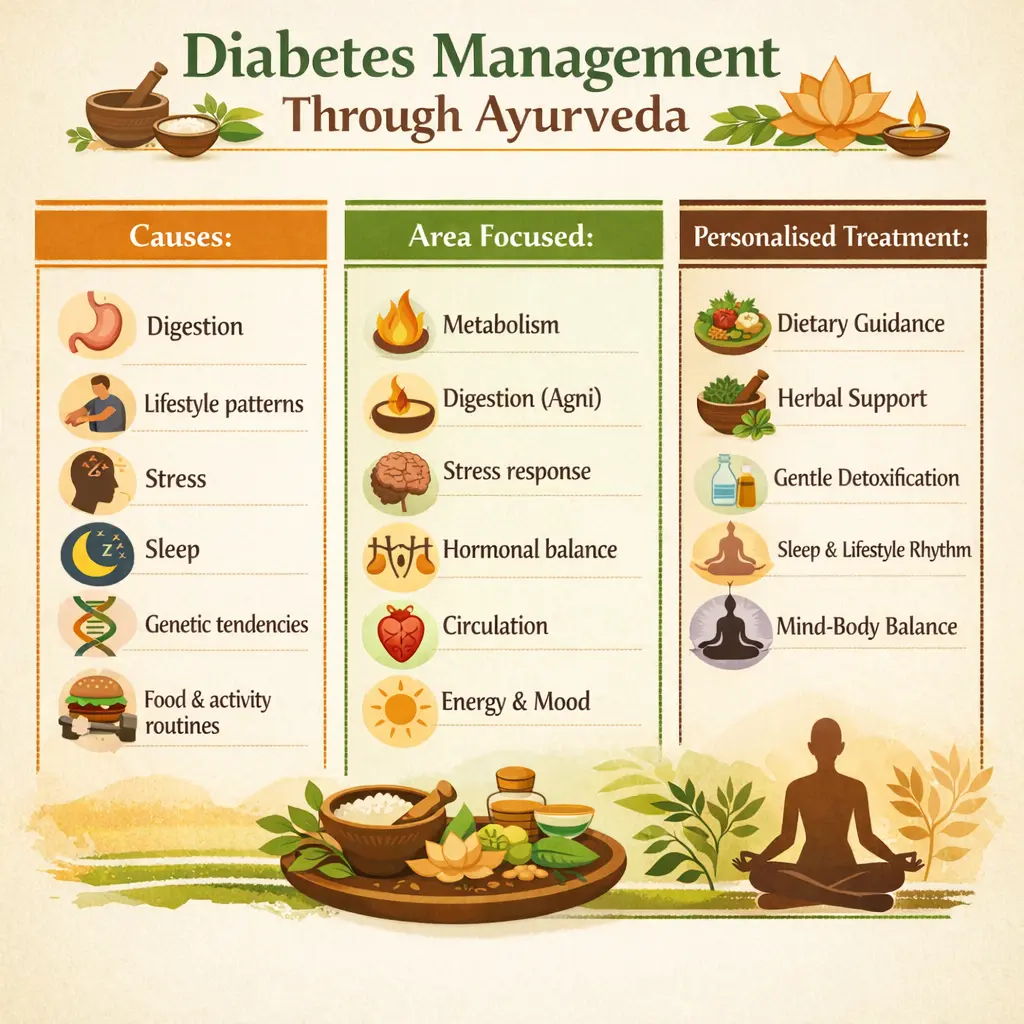
Ayurveda explains that Madhumeha is a result of a profound imbalance in all three doshas, but it is primarily a Vata disorder. The heavy and sweet qualities of aggravated Vata, combined with a weakened digestive fire (Agni), lead to the accumulation of toxins (Ama) and fat (Meda Dhatu). This disrupts the body’s natural metabolic processes, causing high blood sugar. The condition is often considered a Maharoga (major disease) due to its pervasive nature and the serious complications that arise from it.

A diet rich in sweet, heavy, and cold foods; excessive consumption of sugar, dairy, and carbohydrates; and a lack of proper meal times contribute to Kapha imbalance and Ama formation.

A sedentary lifestyle slows down the body’s metabolism, leading to the accumulation of Kapha and Meda Dhatu (fat tissue).

Over-sleeping, especially during the day, can weaken Agni and increase Kapha.

Chronic mental stress and emotional turmoil can disrupt the body’s internal balance and contribute to metabolic dysregulation.

A family history of diabetes is considered a significant predisposing factor in Ayurveda.

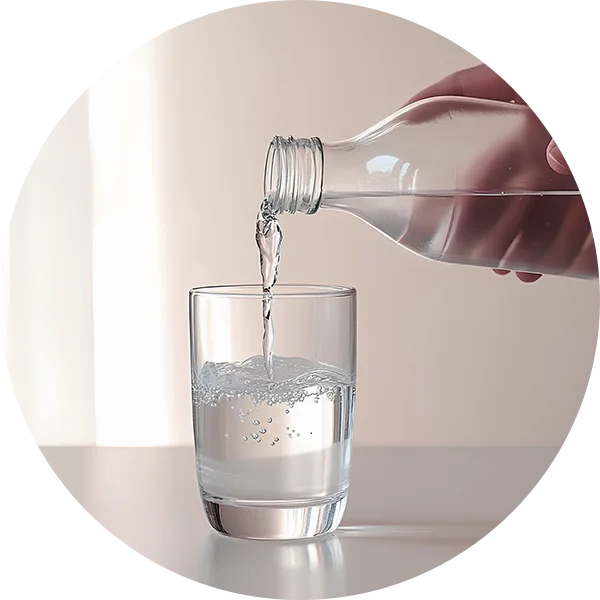
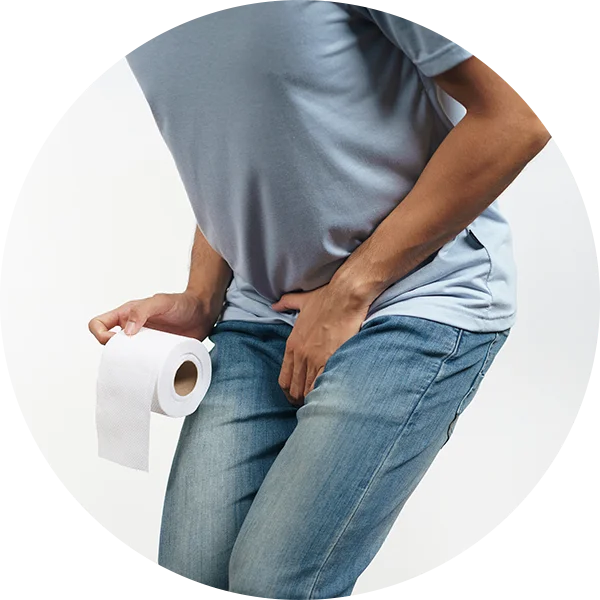
Excessive Urination
(Prabhoota Mutrata)

Excessive Thirst
(Pipasa)

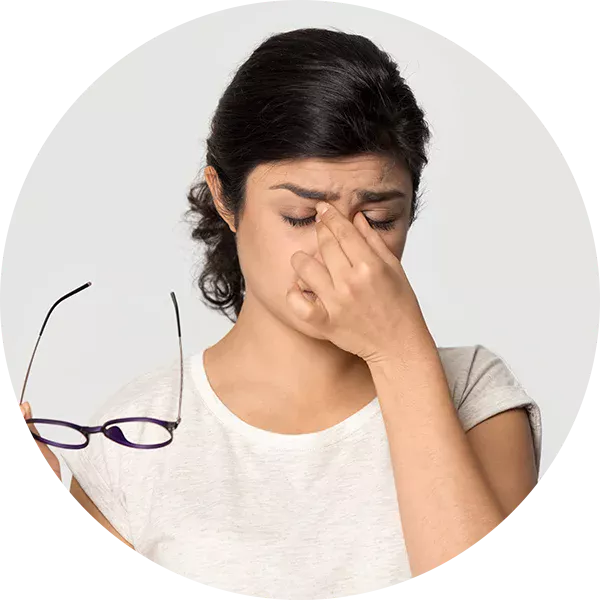
Fatigue
(Shrama)

Sweet-Tasting Urine
(Madhu-Varna Mutra)

Weakness
(Daurbalya)

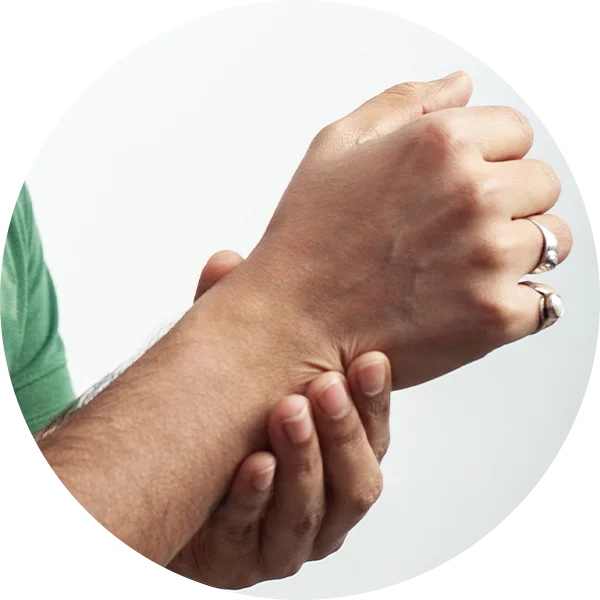
Tingling or Numbness
(Hastapada-Sada)

Itching
(Kandu)


A sedentary lifestyle and a diet rich in Vata-aggravating foods weaken the digestive fire.
The heavy, sweet, and sticky qualities of food increase Vata dosha in the body.
The accumulated Vata and Ama obstruct the channels that nourish the fat (Meda Dhatu) and muscle (Mamsa Dhatu) tissues.
The systemic vitiation of doshas and tissues leads to the depletion of Ojas, the essence of life and immunity.
The depleted Ojas, along with the vitiated doshas and tissues, leads to the manifestation of Madhumeha, characterized by excessive urination, fatigue, and other symptoms.
We begin with a detailed evaluation combining modern diagnostic tools with Ayurvedic assessments such as Prakriti (body constitution), Vikriti (current imbalance), dosha mapping, and lifestyle review. This dual lens helps us see the full picture of your health, beyond just the symptoms.
Ayurveda teaches us that diseases are born from underlying imbalances; not just isolated issues. We carefully study dietary habits, digestion (Agni), toxin accumulation (Ama), stress, and daily routines to uncover the true root cause of your condition.
No two patients are alike. Your treatment is tailored to your unique body type (Vata, Pitta, Kapha), disease stage, and co-existing conditions. This ensures maximum effectiveness and safety, while restoring balance at the deepest level.
Healing isn’t one-dimensional. Based on your needs, we combine:
This integrated approach ensures that body, mind, and spirit heal together.
Health doesn’t end with treatment. We equip you with home remedies, seasonal routines, lifestyle practices, and follow-up support to prevent relapse and help you sustain wellness for the long term.
The Ayurvedic approach to treating Madhumeha is comprehensive, focusing on regulating blood sugar, strengthening metabolism, and rejuvenating the body. Treatment is always tailored to the individual’s constitution and the specific type of diabetes.
The focus is on nourishing the body and strengthening the tissues.
Herbs: Ashwagandha and Shatavari are used to build strength and reduce Vata aggravation.
Panchakarma: Gentle Basti (medicated enema) can help pacify Vata and restore balance.
The focus is on cooling the body and cleansing the system.
Herbs: Guduchi and Neem are used to reduce inflammation and cleanse the blood.
Panchakarma: Virechana (therapeutic purgation) is effective for eliminating excess Pitta.
The focus is on reducing Kapha and improving metabolism.
Herbs: Karela (bitter gourd), Jamun, and Haridra (turmeric) are used to regulate blood sugar and improve digestion.
Panchakarma and Udwarthanam: Vamana (therapeutic emesis) and Udwartana (herbal powder massage) are beneficial for reducing excess Kapha and fat tissue.
Bitter and astringent foods. Include vegetables like bitter gourd, fenugreek, and spinach. Use spices like turmeric, cinnamon, and black pepper. Favor whole grains and light proteins.
Sweet, sour, and salty foods. Strictly limit sugar, refined carbohydrates, potatoes, and fried foods. Avoid dairy products like yogurt and heavy cheese.
| Do's | Don'ts |
|---|---|
Daily Exercise: Engage in regular physical activity, like brisk walking or yoga. | Avoid Sedentary Lifestyle: Do not sit or sleep for extended periods. |
Maintain a Regular Routine: Eat meals and sleep at consistent times. | Avoid Excessive Sugar and Refined Carbs: These directly contribute to high blood sugar. |
Manage Stress: Practice meditation and pranayama to keep stress levels low. | Don’t Suppress Natural Urges: This can lead to imbalances. |
Chew Food Thoroughly: Proper chewing aids digestion and prevents Ama formation. | Avoid Cold Drinks and Foods: These can weaken the digestive fire. |
This set of postures is excellent for stimulating the metabolism and improving circulation.
These breathing exercises help to kindle the digestive fire and improve energy.
Experience holistic healing and rejuvenation with Shree Ayurvedic®, where traditional wisdom meets modern care for your health and wellness.


© 2025 Shree Ayurvedics®. All Rights Reserved. Designed by Bee High Media