Diabetes

Diabetes mellitus is a chronic metabolic disorder characterized by high blood sugar (glucose) levels. This occurs either because the body does not produce enough insulin or because it cannot use the insulin it produces effectively. Insulin is a hormone that helps glucose from food get into your cells to be used for energy. When this process is disrupted, glucose builds up in the bloodstream, leading to various health complications over time, including heart disease, kidney damage, and nerve damage. The most common forms are Type 1 diabetes (an autoimmune condition) and Type 2 diabetes (a progressive condition related to lifestyle).

Connect With Us

    Diabetes in Ayurveda: Madhumeha

    In Ayurveda, diabetes is a part of a larger group of urinary disorders called Prameha. Out of the 20 types of Prameha, diabetes mellitus is specifically known as Madhumeha, which literally translates to “sweet urine.” This name reflects a key symptom of the condition.

    Ayurveda explains that Madhumeha is a result of a profound imbalance in all three doshas, but it is primarily a Vata disorder. The heavy and sweet qualities of aggravated Vata, combined with a weakened digestive fire (Agni), lead to the accumulation of toxins (Ama) and fat (Meda Dhatu). This disrupts the body’s natural metabolic processes, causing high blood sugar. The condition is often considered a Maharoga (major disease) due to its pervasive nature and the serious complications that arise from it.

    Woman checking her blood sugar using a glucometer at home, representing diabetes monitoring.

    Root Causes Of Diabetes (Nidana)

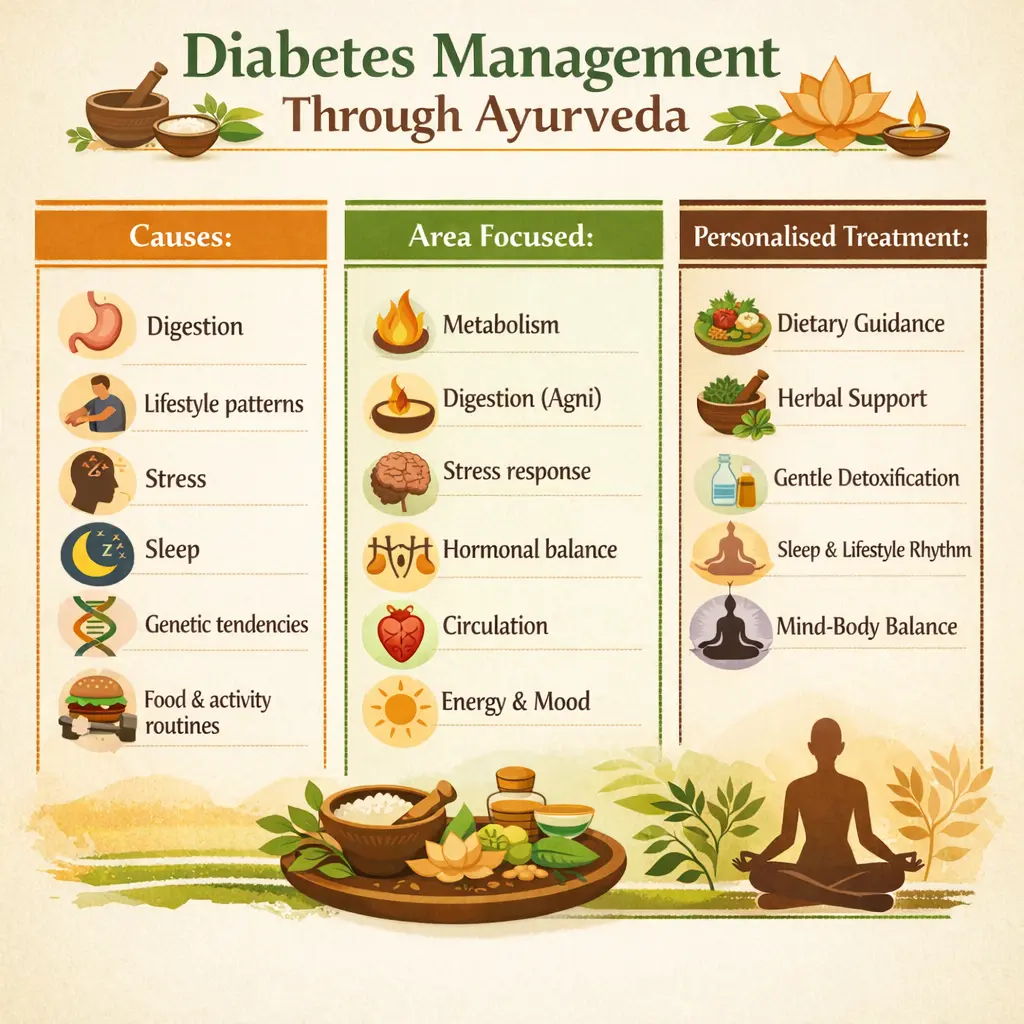
    Ayurveda identifies the root causes of Madhumeha as a combination of genetic predisposition and lifestyle factors that weaken the body's metabolism.
    Plate and spoon icon representing an unhealthy, sugar-rich diet contributing to diabetes risk.
    Apathya Ahara (Improper Diet)

    A diet rich in sweet, heavy, and cold foods; excessive consumption of sugar, dairy, and carbohydrates; and a lack of proper meal times contribute to Kapha imbalance and Ama formation.

    Person sitting on sofa icon illustrating sedentary lifestyle and lack of physical activity leading to metabolic imbalance.
    A-Vyayama (Lack of Exercise)

    A sedentary lifestyle slows down the body’s metabolism, leading to the accumulation of Kapha and Meda Dhatu (fat tissue).

    Person in a bed icon symbolizing oversleeping and low activity affecting metabolism and increasing diabetes risk.
    Ati-Swapna (Excessive Sleep)

    Over-sleeping, especially during the day, can weaken Agni and increase Kapha.

    Stressed icon showing emotional stress contributing to metabolic disturbances and diabetes.
    Ati-Cinta (Excessive Worry/Stress)

    Chronic mental stress and emotional turmoil can disrupt the body’s internal balance and contribute to metabolic dysregulation.

    DNA helix icon depicting hereditary or genetic predisposition to diabetes.
    Beeja Dosha (Genetic Factors)

    A family history of diabetes is considered a significant predisposing factor in Ayurveda.

    Symptoms Of Diabetes (Lakshanas)

    The symptoms of Madhumeha are classic signs of metabolic dysfunction and doshic imbalance.
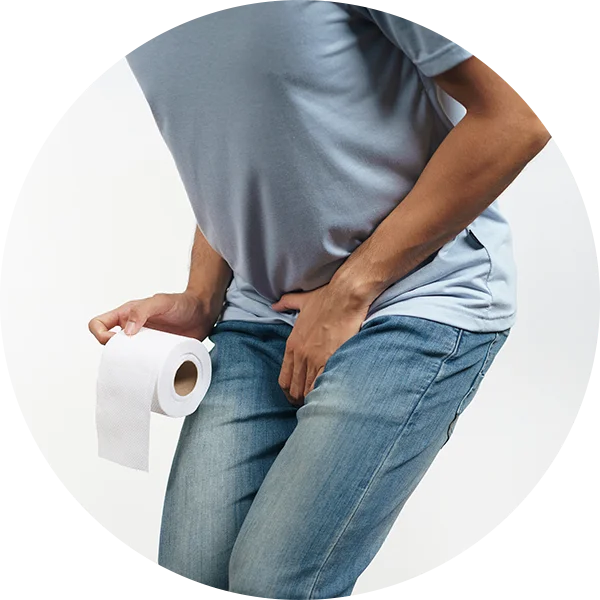
    Person standing near a toilet to indicate frequent urination, a common diabetes symptom.

    Excessive Urination
    (Prabhoota Mutrata)

    A frequent urge to urinate, especially at night.
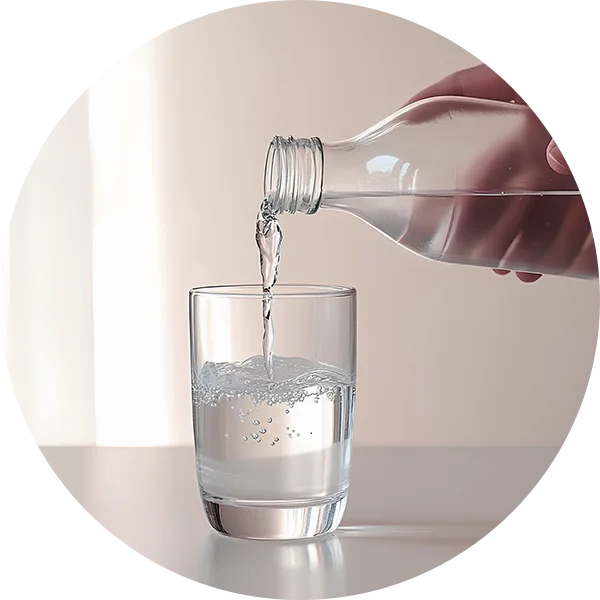
    Glass being filled with water to represent constant thirst associated with diabetes.

    Excessive Thirst
    (Pipasa)

    Constant thirst, a compensatory mechanism to counter fluid loss.
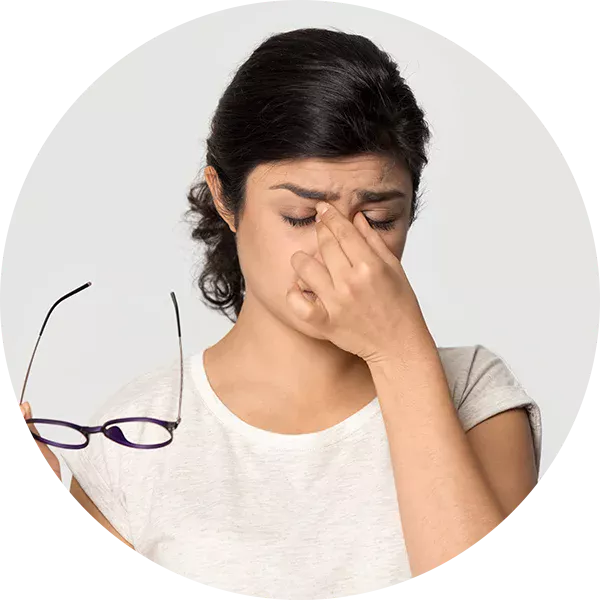
    Woman holding her head in exhaustion to depict diabetes-related fatigue.

    Fatigue
    (Shrama)

    Feeling tired and lethargic, as cells are unable to use glucose for energy.
    Urine sample container showing sugar-containing urine, a sign of uncontrolled diabetes.

    Sweet-Tasting Urine
    (Madhu-Varna Mutra)

    The presence of sugar in the urine, giving it a sweet taste.
    Person lying on a couch to signify generalized weakness caused by high blood sugar.

    Weakness
    (Daurbalya)

    A feeling of general weakness and reduced vitality.
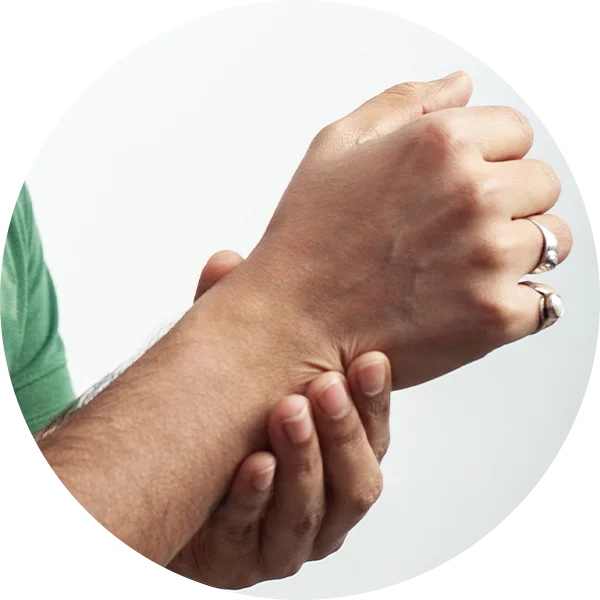
    Person holding their arm to show tingling or numbness from diabetic nerve damage.

    Tingling or Numbness
    (Hastapada-Sada)

    A symptom of nerve involvement due to long-term high blood sugar.
    Hand scratching irritated skin around the anal opening to show persistent itching.

    Itching
    (Kandu)

    Recurrent itching, especially around the genitals, due to fungal or yeast infections.

    Types of Diabetes in Ayurveda

    Ayurveda classifies diabetes based on its cause and the dominant dosha involved.

    Avarana (Obstructive Diabetes): This type is caused by a blockage of the body's channels (srotas) due to an excess of Kapha dosha. This is similar to Type 2 diabetes, where the body's cells become resistant to insulin.

    Dhatukshaya (Wasting Diabetes): This type involves the depletion of the body's tissues (dhatus). It is often linked to a severe Vata dosha imbalance and is comparable to Type 1 diabetes, where the body's tissues are essentially wasting away.

    Madhumeha (diabetes mellitus) is classified under the broad category of Prameha. This Prameha is categorized according to the three doshas: Vata, Pitta, and Kapha. Madhumeha is primarily classified as Vataja Prameha and the other types of Prameha like Kapha and Pitta can progress into the advanced stage of Madhumeha if not treated properly. In short, while the initial stages of the disease may have a Kapha or Pitta dominance, the final, chronic stage of Madhumeha is always associated with the aggravation of the Vata dosha.
    Ayurveda swirl icon representing Vata-aggravated diabetes characterized by severe, advanced symptoms.

    Vataja Prameha (4 types)

    This is the most severe and advanced stage, caused by an aggravation of the Vata dosha. It is the basis for Dhatu Kshaya-type diabetes. Some of them are Madhumeha and Vasa Meha.
    Ayurvedic fire symbol symbolizing Pitta-aggravated diabetes involving heat, inflammation, and dietary triggers.

    Pittaja Prameha (6 types)

    This type arises from an aggravation of the Pitta dosha, caused by excessive consumption of pungent, hot, and sour foods, as well as stress and anger. Some of them are Kshara Meha, Rakta Meha, Haridra Meha.
    Ayurvedic leaf symbol depicting Kapha-aggravated diabetes linked to heaviness, sluggishness, and fatty diet.

    Kaphaja Prameha (10 types)

    This type is caused by an aggravation of the Kapha dosha, resulting from a sedentary lifestyle and excessive consumption of heavy, fatty, sweet, and cold foods. It is the basis for Avarana-type diabetes. Some of them are Udakameha, Ikshumeha and Sandrameha.

    Risk Factors of Diabetes

    Ayurveda identifies several risk factors for Madhumeha, emphasizing lifestyle over genetics.
    Family icon representing hereditary or genetic predisposition to developing diabetes.

    Family History

    A strong genetic predisposition to the disease.
    Abdominal icon depicting abdominal obesity as a major risk factor for Type 2 diabetes.

    Obesity

    Excess body weight, particularly around the abdomen, is a major risk factor for developing Type 2 diabetes.
    Lifestyle habit icon showing physical inactivity contributing to slow metabolism and insulin resistance.

    Sedentary Lifestyle

    Lack of physical activity significantly slows metabolism and contributes to insulin resistance.
    Plate and spoon icon illustrating high-sugar and high-fat diet increasing the risk of diabetes.

    Poor Diet

    Consuming a diet high in sugar, refined carbohydrates, and unhealthy fats.
    Stressed person icon symbolizing chronic stress causing hormonal imbalance and elevated blood sugar.

    Stress

    Chronic stress and emotional turmoil can lead to hormonal imbalances that affect blood sugar levels.

    Pathogenesis Of Diabetes (Samprapti)

    The pathogenesis of Madhumeha is a gradual but progressive process.
    1

    Improper Diet & Lifestyle (Apathya Ahara Vihara)

    A sedentary lifestyle and a diet rich in Vata-aggravating foods weaken the digestive fire.

    2

    Vata Aggravation (Vata Prakopa)

    The heavy, sweet, and sticky qualities of food increase Vata dosha in the body.

    3

    Vitiation of Fat and Muscle Tissues (Medas and Mamsa Dushti)

    The accumulated Vata and Ama obstruct the channels that nourish the fat (Meda Dhatu) and muscle (Mamsa Dhatu) tissues.

    4

    Depletion of Ojas (Ojas Kshaya)

    The systemic vitiation of doshas and tissues leads to the depletion of Ojas, the essence of life and immunity.

    5

    (Manifestation of Diabetes (Madhumeha Utpatti)

    The depleted Ojas, along with the vitiated doshas and tissues, leads to the manifestation of Madhumeha, characterized by excessive urination, fatigue, and other symptoms.

    Our 5-Step Healing Framework

    At Shree Ayurvedic®, we don’t stop at managing symptoms. We believe true healing comes from identifying and addressing the root cause of illness. Our time-tested approach blends classical Ayurveda with modern clinical insights, ensuring each patient receives a safe, personalized, and sustainable path to health.
    Comprehensive Diagnosis

    We begin with a detailed evaluation combining modern diagnostic tools with Ayurvedic assessments such as Prakriti (body constitution), Vikriti (current imbalance), dosha mapping, and lifestyle review. This dual lens helps us see the full picture of your health, beyond just the symptoms.

    Root Cause Identification

    Ayurveda teaches us that diseases are born from underlying imbalances; not just isolated issues. We carefully study dietary habits, digestion (Agni), toxin accumulation (Ama), stress, and daily routines to uncover the true root cause of your condition.

    Personalized Treatment Plan

    No two patients are alike. Your treatment is tailored to your unique body type (Vata, Pitta, Kapha), disease stage, and co-existing conditions. This ensures maximum effectiveness and safety, while restoring balance at the deepest level.

    Integrated Care

    Healing isn’t one-dimensional. Based on your needs, we combine:

    • Panchakarma therapies for detoxification
    • Ayurvedic medicines and formulations for repair and nourishment
    • Customized diet plans for dosha balance
    • Yoga, pranayama, and lifestyle corrections to support long-term recovery

    This integrated approach ensures that body, mind, and spirit heal together.

    Ongoing Guidance & Prevention

    Health doesn’t end with treatment. We equip you with home remedies, seasonal routines, lifestyle practices, and follow-up support to prevent relapse and help you sustain wellness for the long term.

    Ayurvedic Treatment For Diabetes (Chikitsa)

    The Ayurvedic approach to treating Madhumeha is comprehensive, focusing on regulating blood sugar, strengthening metabolism, and rejuvenating the body. Treatment is always tailored to the individual’s constitution and the specific type of diabetes.

    Treatment According to Individual Body Types

    Vata Body Type

    The focus is on nourishing the body and strengthening the tissues.

    The focus is on nourishing the body and strengthening the tissues.

    Herbs: Ashwagandha and Shatavari are used to build strength and reduce Vata aggravation.
    Panchakarma: Gentle Basti (medicated enema) can help pacify Vata and restore balance.

    Pitta Body Type

    The focus is on nourishing the body and strengthening the tissues.

    The focus is on cooling the body and cleansing the system.

    Herbs: Guduchi and Neem are used to reduce inflammation and cleanse the blood.
    Panchakarma: Virechana (therapeutic purgation) is effective for eliminating excess Pitta.

    Kapha Body Type

    The focus is on nourishing the body and strengthening the tissues.

    The focus is on reducing Kapha and improving metabolism.

    Herbs: Karela (bitter gourd), Jamun, and Haridra (turmeric) are used to regulate blood sugar and improve digestion.
    Panchakarma and Udwarthanam: Vamana (therapeutic emesis) and Udwartana (herbal powder massage) are beneficial for reducing excess Kapha and fat tissue.

    Ayurvedic Diet

    Diet is considered the cornerstone of managing diabetes.
    Consume

    Bitter and astringent foods. Include vegetables like bitter gourd, fenugreek, and spinach. Use spices like turmeric, cinnamon, and black pepper. Favor whole grains and light proteins.

    Avoid

    Sweet, sour, and salty foods. Strictly limit sugar, refined carbohydrates, potatoes, and fried foods. Avoid dairy products like yogurt and heavy cheese.

    Preventive Measures

    Do's and Don'ts

    Do'sDon'ts

    Daily Exercise: Engage in regular physical activity, like brisk walking or yoga.

    Avoid Sedentary Lifestyle: Do not sit or sleep for extended periods.

    Maintain a Regular Routine: Eat meals and sleep at consistent times.

    Avoid Excessive Sugar and Refined Carbs: These directly contribute to high blood sugar.

    Manage Stress: Practice meditation and pranayama to keep stress levels low.

    Don’t Suppress Natural Urges: This can lead to imbalances.

    Chew Food Thoroughly: Proper chewing aids digestion and prevents Ama formation.

    Avoid Cold Drinks and Foods: These can weaken the digestive fire.

    Exercises & Yoga

    Surya Namaskar (Sun Salutation)

    This set of postures is excellent for stimulating the metabolism and improving circulation.

    Kapalbhati and Bhastrika Pranayama

    These breathing exercises help to kindle the digestive fire and improve energy.

    Herbal and Home Remedies

    Fenugreek Seeds

    Soaking a tablespoon of fenugreek seeds overnight and drinking the water on an empty stomach can help regulate blood sugar.

    Bitter Gourd Juice

    A small glass of fresh bitter gourd juice daily is a classic remedy for diabetes.

    Jamun Seed Powder

    Powdered seeds of the Jamun fruit are known to improve insulin sensitivity.

    Haridra (Turmeric)

    Mixing turmeric powder with Aloe Vera juice can help with blood sugar regulation.

    FAQs

    • Can Ayurveda cure diabetes?
      For lifestyle-induced Type 2 diabetes, Ayurveda offers a holistic approach that can effectively manage and even reverse the condition in its early stages. For Type 1 diabetes, Ayurveda focuses on long-term management to prevent complications.
    • Is it safe to stop my allopathic medication while on Ayurvedic treatment?
      No, you should never stop or change your prescribed medication without consulting your doctor. Ayurvedic treatment for diabetes is often a complementary therapy that can be used alongside modern medicine.
    • How long does it take for Ayurvedic treatment to show results?
      The time it takes to see results varies. With a disciplined approach to diet, lifestyle, and herbal remedies, you may begin to see improvements in your blood sugar levels and overall well-being within a few weeks to months.
    0
      0
      Your Cart
      Your cart is emptyReturn to Shop