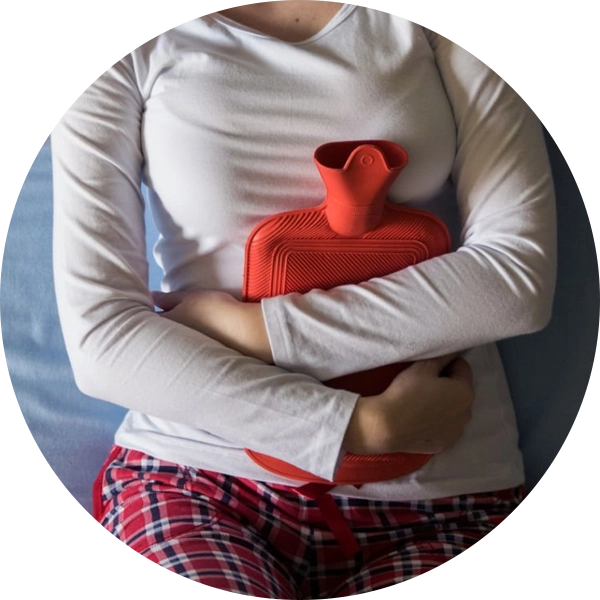
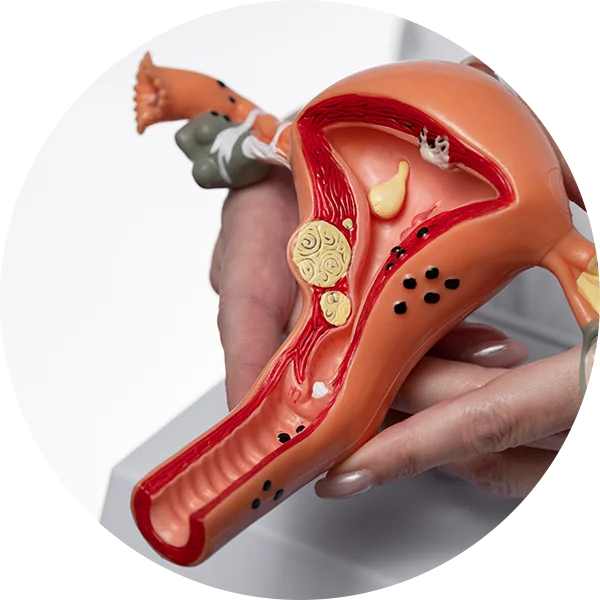
Infertility is defined as the inability to conceive after at least one year of regular, unprotected sexual intercourse. It can affect both men and women and is a common health issue with a variety of potential causes, including hormonal imbalances, reproductive organ issues, and lifestyle factors. While it can be a source of significant emotional distress, many cases of infertility can be effectively managed.
In Ayurveda, infertility is not a single disease but a condition resulting from the imbalance of the three doshas and the vitiation of the reproductive tissues. It is primarily categorized into two broad terms: Vandhyatva (female infertility) and Klaibya (male infertility).
According to ancient Ayurvedic texts, a successful conception depends on four key factors, referred to as the “four pillars of fertility”:
Ritu (Ovum): The health and maturity of the female egg.
Kshetra (Uterus): The health and receptivity of the uterine lining.
Ambu (Nutrition): Proper nutrition and hormonal balance for both partners.
Bija (Sperm/Ovum): The health and quality of the sperm and ovum.
An imbalance in any of these factors, caused by doshic vitiation, can lead to infertility.

An aggravated Vata can cause poor circulation and low reproductive vitality. Excess Pitta can lead to inflammation and hormonal imbalance. Increased Kapha can cause blockages and the formation of cysts or fibroids.

A sluggish metabolism leads to the formation of Ama (toxins), which can obstruct the channels that nourish the reproductive tissues.

Consuming unhealthy, processed foods, excessive alcohol, smoking, and a sedentary lifestyle can impair reproductive health.

Chronic stress, fear, and anxiety can disrupt hormonal balance and affect the entire reproductive system.

Inherent weaknesses in the ovum or sperm quality.

Irregular or Absent Menstruation
(Anartava)

Painful Periods (Kashtartava)

Low Libido
(Klaibya)

Poor Sperm Quality

Hormonal Imbalances


The process begins with a weak digestive fire due to poor diet and lifestyle.
This leads to the formation of Ama, which clogs the Artava Vaha Srotas (channels that nourish the female reproductive system) and Shukra Vaha Srotas (channels that nourish the male reproductive system).
The clogged channels prevent the proper nourishment of the reproductive tissues (Shukra Dhatu), leading to a reduction in their quality and quantity.
The aggravated doshas, particularly Vata, can cause a blockage in the fallopian tubes or a lack of uterine receptivity.
The combination of depleted reproductive tissues, hormonal imbalances, and physical obstructions culminates in infertility.
Comprehensive Diagnosis
We begin with a detailed evaluation combining modern diagnostic tools with Ayurvedic assessments such as Prakriti (body constitution), Vikriti (current imbalance), dosha mapping, and lifestyle review. This dual lens helps us see the full picture of your health, beyond just the symptoms.
Root Cause Identification
Ayurveda teaches us that diseases are born from underlying imbalances; not just isolated issues. We carefully study dietary habits, digestion (Agni), toxin accumulation (Ama), stress, and daily routines to uncover the true root cause of your condition.
Personalized Treatment Plan
No two patients are alike. Your treatment is tailored to your unique body type (Vata, Pitta, Kapha), disease stage, and co-existing conditions. This ensures maximum effectiveness and safety, while restoring balance at the deepest level.
Integrated Care
Healing isn’t one-dimensional. Based on your needs, we combine:
This integrated approach ensures that body, mind, and spirit heal together.
Ongoing Guidance & Prevention
Health doesn’t end with treatment. We equip you with home remedies, seasonal routines, lifestyle practices, and follow-up support to prevent relapse and help you sustain wellness for the long term.
Ayurvedic treatment for infertility is highly personalized and focuses on cleansing the system, balancing the doshas, and nourishing the reproductive tissues.
The focus is on nourishing and strengthening the body. Panchakarma therapies like Basti (medicated enema) with nourishing oils are crucial to pacify Vata.
The focus is on cooling the body and reducing inflammation. Virechana (therapeutic purgation) is used to eliminate excess Pitta.
Consume
Warm, freshly cooked meals that are easy to digest. Include healthy fats like ghee and sesame oil. Prioritize foods that nourish the reproductive system, such as dates, almonds, milk, and seasonal fruits and vegetables.
Avoid
Cold, raw, and processed foods. Limit spicy, sour, and excessively salty items. Avoid caffeine, alcohol, and carbonated drinks.
| Do's | Don'ts |
|---|---|
Maintain a Regular Schedule: Adhere to consistent meal times and sleep patterns. | Avoid a Sedentary Lifestyle: Engage in regular physical activity. |
Manage Stress: Practice meditation and mindfulness daily. | Don’t Suppress Natural Urges: Avoid holding back urges to urinate or pass stools. |
Practice Gentle Yoga: Poses that improve circulation to the pelvic region are beneficial. | Avoid Heavy Physical Exertion: Strenuous exercise can deplete reproductive energy. |
Ensure Proper Sleep: A good night’s sleep is vital for hormonal balance. | Avoid Smoking and Excessive Alcohol: These habits severely impact fertility. |
A classic female tonic that helps in hormonal regulation and strengthens the reproductive system.
An adaptogenic herb that reduces stress and improves reproductive vitality in both men and women.
A powerful male fertility herb that helps improve sperm count and quality.
Taking Triphala at bedtime can help cleanse the digestive system and prevent Ama formation.
In Ayurveda, infertility is not a single disease but a condition resulting from the imbalance of the three doshas and the vitiation of the reproductive tissues. It is primarily categorized into two broad terms: Vandhyatva (female infertility) and Klaibya (male infertility).
According to ancient Ayurvedic texts, a successful conception depends on four key factors, referred to as the “four pillars of fertility”:
Ritu (Ovum): The health and maturity of the female egg.
Kshetra (Uterus): The health and receptivity of the uterine lining.
Ambu (Nutrition): Proper nutrition and hormonal balance for both partners.
Bija (Sperm/Ovum): The health and quality of the sperm and ovum.
An imbalance in any of these factors, caused by doshic vitiation, can lead to infertility.

Irregular or Absent Menstruation
(Anartava)

Painful Periods (Kashtartava)

Low Libido
(Klaibya)

Poor Sperm Quality

Hormonal Imbalances

An aggravated Vata can cause poor circulation and low reproductive vitality. Excess Pitta can lead to inflammation and hormonal imbalance. Increased Kapha can cause blockages and the formation of cysts or fibroids.

A sluggish metabolism leads to the formation of Ama (toxins), which can obstruct the channels that nourish the reproductive tissues.

Consuming unhealthy, processed foods, excessive alcohol, smoking, and a sedentary lifestyle can impair reproductive health.

Chronic stress, fear, and anxiety can disrupt hormonal balance and affect the entire reproductive system.

Inherent weaknesses in the ovum or sperm quality.


Comprehensive Diagnosis
We begin with a detailed evaluation combining modern diagnostic tools with Ayurvedic assessments such as Prakriti (body constitution), Vikriti (current imbalance), dosha mapping, and lifestyle review. This dual lens helps us see the full picture of your health, beyond just the symptoms.
Root Cause Identification
Ayurveda teaches us that diseases are born from underlying imbalances; not just isolated issues. We carefully study dietary habits, digestion (Agni), toxin accumulation (Ama), stress, and daily routines to uncover the true root cause of your condition.
Personalized Treatment Plan
No two patients are alike. Your treatment is tailored to your unique body type (Vata, Pitta, Kapha), disease stage, and co-existing conditions. This ensures maximum effectiveness and safety, while restoring balance at the deepest level.
Integrated Care
Healing isn’t one-dimensional. Based on your needs, we combine:
This integrated approach ensures that body, mind, and spirit heal together.
Ongoing Guidance & Prevention
Health doesn’t end with treatment. We equip you with home remedies, seasonal routines, lifestyle practices, and follow-up support to prevent relapse and help you sustain wellness for the long term.
Ayurvedic treatment for infertility is highly personalized and focuses on cleansing the system, balancing the doshas, and nourishing the reproductive tissues.
The focus is on nourishing and strengthening the body. Panchakarma therapies like Basti (medicated enema) with nourishing oils are crucial to pacify Vata.
The focus is on cooling the body and reducing inflammation. Virechana (therapeutic purgation) is used to eliminate excess Pitta.


A classic female tonic that helps in hormonal regulation and strengthens the reproductive system.
An adaptogenic herb that reduces stress and improves reproductive vitality in both men and women.
A powerful male fertility herb that helps improve sperm count and quality.
Taking Triphala at bedtime can help cleanse the digestive system and prevent Ama formation.