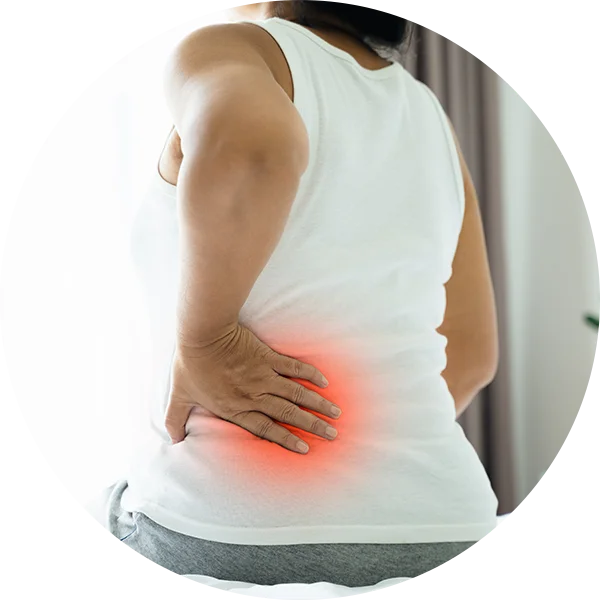
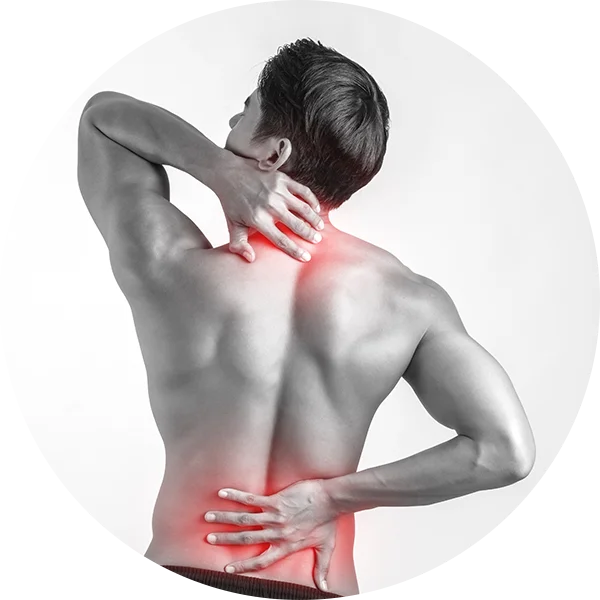
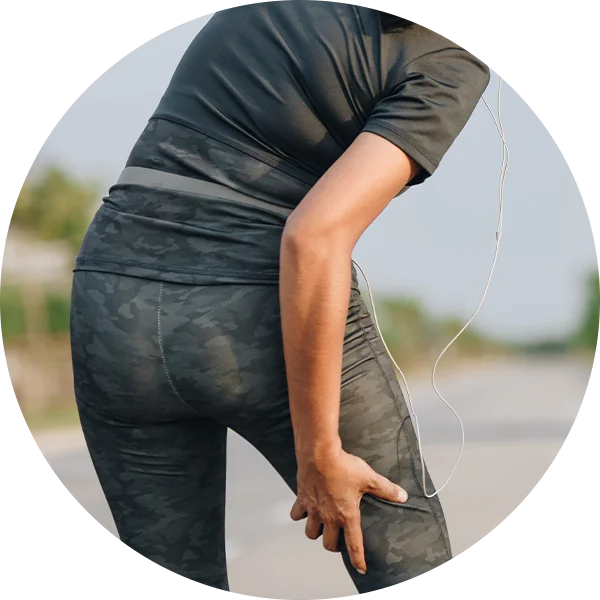
Lower back pain is a common condition characterized by discomfort or pain in the lumbar region of the spine. It can range from a dull, constant ache to a sudden, sharp sensation that makes movement difficult. This pain is often the result of muscle strains, sprains, or issues with the spine’s discs and nerves. It can be acute (lasting for a few days to weeks) or chronic (persisting for more than three months) and can significantly impact a person’s quality of life.
In Ayurveda, lower back pain is known as Kati Shoola or Kati Graha. The term Kati refers to the lower back or waist, and Shoola means pain. The condition is primarily a disorder of the Vata dosha, the subtle energy associated with air and space that governs all movement, including nerve impulses and bodily functions.
The lower back is considered a primary seat of Vata. When Vata becomes imbalanced due to improper diet, lifestyle, or injury, its dry and mobile qualities accumulate in this region. This leads to the drying of joint tissues, nerve irritation, and muscle stiffness, resulting in pain.

Consuming cold, dry, and light foods, or a diet that is lacking in proper nutrition, can increase Vata.

Poor sitting or standing posture, and a lack of ergonomic support, puts direct strain on the lower back.

Lifting heavy weights improperly or engaging in strenuous physical activities without preparation can cause muscular strain and Vata vitiation.

A lack of physical activity or prolonged sitting can weaken the muscles that support the spine, leading to stiffness and pain.

A fall or direct injury to the back can disrupt the natural balance and cause pain.

Exposure to cold, dry, or windy weather can aggravate Vata and worsen back pain.

Stiffness
(Kati Graha)

Pain
(Kati Vedana)

Tingling Sensation
(Spandana)

Colicky Pain
(Shula)

Movement Restriction


Due to a Vata-aggravating lifestyle, Vata dosha becomes vitiated in the body.
The vitiated Vata, due to its natural tendency to move downwards, settles in its primary seat, the lower back.
The dry and mobile qualities of Vata begin to deplete the lubricating fluid and tissues in the spinal joints.
In some cases, Ama (toxins) can obstruct the channels that nourish the area.
The combination of tissue depletion, stiffness, and nerve irritation culminates in the pain and symptoms of Kati Shoola.
We begin with a detailed evaluation combining modern diagnostic tools with Ayurvedic assessments such as Prakriti (body constitution), Vikriti (current imbalance), dosha mapping, and lifestyle review. This dual lens helps us see the full picture of your health, beyond just the symptoms.
Ayurveda teaches us that diseases are born from underlying imbalances; not just isolated issues. We carefully study dietary habits, digestion (Agni), toxin accumulation (Ama), stress, and daily routines to uncover the true root cause of your condition.
No two patients are alike. Your treatment is tailored to your unique body type (Vata, Pitta, Kapha), disease stage, and co-existing conditions. This ensures maximum effectiveness and safety, while restoring balance at the deepest level.
Healing isn’t one-dimensional. Based on your needs, we combine:
This integrated approach ensures that body, mind, and spirit heal together.
Health doesn’t end with treatment. We equip you with home remedies, seasonal routines, lifestyle practices, and follow-up support to prevent relapse and help you sustain wellness for the long term.
Ayurvedic treatment for lower back pain is a holistic approach focused on pacifying Vata, lubricating the joints, and strengthening the muscles.
The primary goal is to pacify Vata. Abhyanga (oil massage) with warm, medicated oils like Mahanarayana or Ksheerabala oil is highly effective. Kati Basti, where warm oil is retained in a dough ring over the lower back, is a specific and powerful therapy.
The aim is to reduce stiffness and heaviness. Ruksha Swedana (dry fomentation) and Udwartana (herbal powder massage) are beneficial.
Warm, cooked foods, healthy fats like ghee and sesame oil, and nourishing broths. Include spices like ginger, garlic, and turmeric, which help reduce inflammation.
Cold, dry, and raw foods (salads, raw vegetables), excessive beans, cabbage, and other Vata-aggravating foods.
| Do's | Don'ts |
|---|---|
Maintain Proper Posture: Sit and stand straight to reduce pressure on the spine. | Avoid Strenuous Exercise: Do not lift heavy weights improperly. |
Stay Hydrated: Drink warm water throughout the day. | Avoid Cold Exposure: Protect your lower back from cold and wind. |
Regular Abhyanga: Self-massage with warm sesame oil nourishes the joints and calms Vata. | Don’t Suppress Natural Urges: Avoid holding back urges to pass stools or gas. |
Practice Gentle Exercise: Regular, low-impact activity strengthens muscles. | Avoid Prolonged Sitting or Standing: Take breaks and stretch frequently. |
Poses like Marjaryasana (Cat-Cow Pose) and Balasana (Child’s Pose) are excellent for gentle spinal stretching. .
Nadi Shodhana (Alternate Nostril Breathing) helps calm the nervous system and manage stress.
Experience holistic healing and rejuvenation with Shree Ayurvedic®, where traditional wisdom meets modern care for your health and wellness.


© 2025 Shree Ayurvedics®. All Rights Reserved. Designed by Bee High Media