PCOS

Polycystic Ovary Syndrome (PCOS) is a complex and common endocrine and metabolic syndrome affecting women of reproductive age. Unlike PCOD, which primarily focuses on ovarian cysts and their related symptoms, PCOS is a systemic condition that impacts not just the reproductive system but also metabolic, hormonal, and mental health. It is characterized by hormonal imbalances, particularly high levels of androgens (male hormones), and is often linked to insulin resistance. PCOS carries long-term health risks, including a higher predisposition to obesity, type 2 diabetes, and cardiovascular disease. 

Connect With Us

    PCOS in Ayurveda: Avarana Janya Artava Dushti with Meda Dhatu Vriddhi

    In Ayurveda, PCOS is viewed as a systemic and chronic condition. While it falls under the umbrella of Avarana Janya Artava Dushti (menstrual disorders due to an obstruction), it is also deeply rooted in Meda Dhatu Vriddhi (an increase in fat tissue). The syndrome is a manifestation of a profound imbalance in all three doshas; Kapha, Vata, and Pitta.

    The core of the issue is Kapha’s heavy and slow qualities creating an obstruction, but this obstruction affects not just the reproductive system but the entire metabolism. The increased Kapha leads to an accumulation of fat tissue (Meda Dhatu) and toxins (Ama), which in turn disrupt the functions of Vata (movement) and Pitta (metabolism).

    Young woman sitting on her bed looking concerned, reflecting the emotional and physical challenges associated with PCOS.

    Root Causes Of PCOS (Nidana)

    The root causes of PCOS are complex and multi-faceted, reflecting the systemic nature of the syndrome.
    Processed food icon representing unhealthy diet and sedentary habits that aggravate Kapha and contribute to PCOS.

    Kapha Aggravating Diet and Lifestyle

    A diet rich in processed foods, unhealthy fats, and refined sugars, combined with a sedentary lifestyle, significantly increases Kapha and contributes to Meda Dhatu Vriddhi (excess fat tissue). 

    Syringe icon illustrating reduced insulin sensitivity, a key metabolic cause of PCOS.

    Insulin Resistance

    A key factor in PCOS is the body’s inability to use insulin effectively. This is a primary metabolic imbalance that Ayurveda links to a deep-seated Mandagni (weak digestive fire) and Kapha vitiation. 

    Stressed person icon symbolizing emotional stress disrupting hormonal balance and worsening PCOS symptoms.

    Chronic Stress

    Sustained mental and emotional stress leads to a constant vitiation of Vata and Pitta doshas, disrupting the delicate hormonal feedback loop that governs the menstrual cycle. 

    DNA helix icon icon depicting hereditary tendency or family history increasing risk of PCOS.

    Genetic Predisposition

    A family history of PCOS, insulin resistance, or diabetes can make one more susceptible to the condition. 

    Symptoms Of PCOS (Lakshanas)

    The symptoms of PCOS are more systemic and widespread compared to PCOD, reflecting the involvement of multiple body systems.
    Woman holding a pregnancy test, representing infertility caused by irregular ovulation in PCOS.

    Infertility

    A primary concern for many women with PCOS due to irregular ovulation or anovulation.
    Close-up of a woman measuring her waist, indicating weight gain and metabolic imbalance in PCOS.

    Obesity and Weight Gain

    A major systemic symptom, often difficult to manage due to underlying insulin resistance.
    Person taking medication or supplements, symbolizing insulin resistance commonly seen in PCOS.

    Insulin Resistance

    This can manifest as increased sugar cravings and energy crashes.
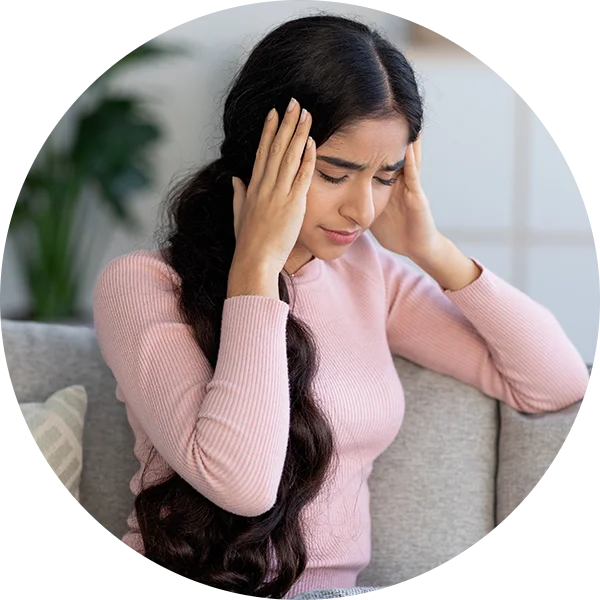
    Woman holding her head in distress, depicting anxiety and mood swings linked to PCOS.

    Mood Disorders

    Increased risk of anxiety, depression, and mood swings.
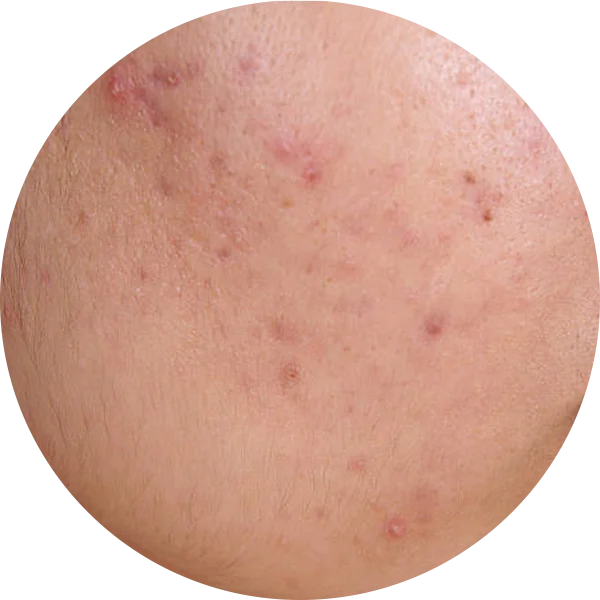
    Close-up of acne on the chin and jawline, representing high androgen symptoms in PCOS such as hirsutism and acne.

    Higher Androgen Features

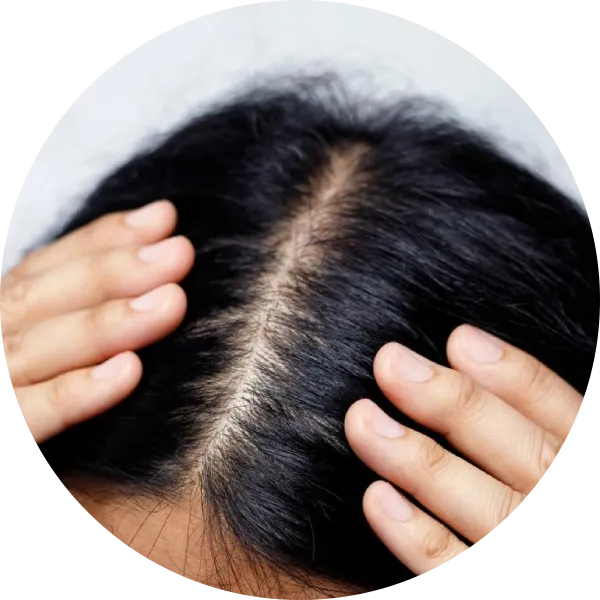
    Symptoms of high male hormone levels are more prominent, including severe hirsutism (excess body and facial hair), male-pattern baldness, and severe acne.
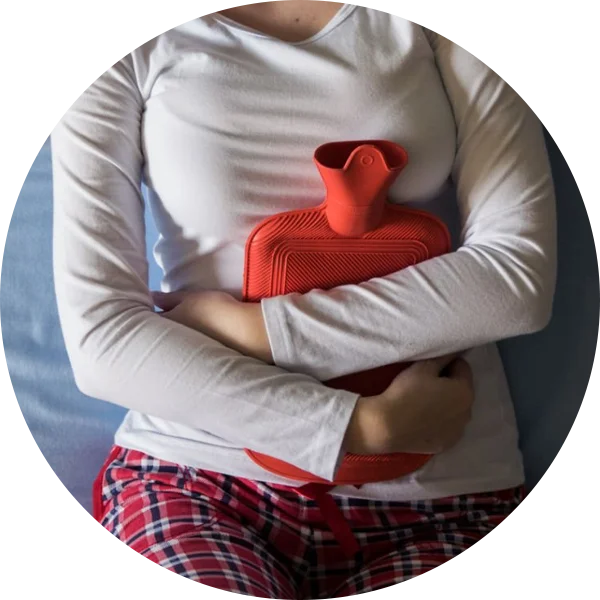
    Woman holding a hot water bag near abdomen, illustrating irregular or painful menstrual cycles in PCOS.

    Menstrual Irregularities

    Cycles are often prolonged, infrequent, or absent.

    Types of PCOS in Ayurveda

    While the doshas are involved in every case of PCOS, the mixed nature of the syndrome makes it common for a person to have a combination of dosha types.
    Ayurveda swirl icon representing Vata-predominant PCOS, characterized by irregular, infrequent, and scanty menstrual cycles.

    Vata-Predominant PCOS

    Characterized by irregular, infrequent, and scanty periods. The person may not be overweight but still suffers from the syndrome.
    Ayurvedic fire symbol representing Pitta-predominant PCOS with inflammation, acne, oily skin, and mood swings.

    Pitta-Predominant PCOS

    Symptoms of inflammation are prominent, including severe acne, oily skin, and mood swings.
    Ayurvedic leaf symbol representing Kapha-predominant PCOS associated with obesity, weight gain, and insulin resistance.

    Kapha-Predominant PCOS

    The most common type, characterized by significant weight gain, obesity, and lethargy. Insulin resistance is a major factor here.
    Ayurvedic tri-dosha flower icon representing mixed-type PCOS where Vata, Pitta, and Kapha symptoms overlap.

    Mixed-Type PCOS

    This is very common, where symptoms of all three doshas are present, making the treatment more complex and long-term.

    Risk Factors of PCOS

    PCOS is associated with significant long-term systemic health risks.
    Icon representing metabolic syndrome, including high blood pressure, elevated blood sugar, and abnormal cholesterol levels; common risks associated with PCOS.

    Metabolic Syndrome

    This includes a cluster of conditions like high blood pressure, high blood sugar, and abnormal cholesterol levels.
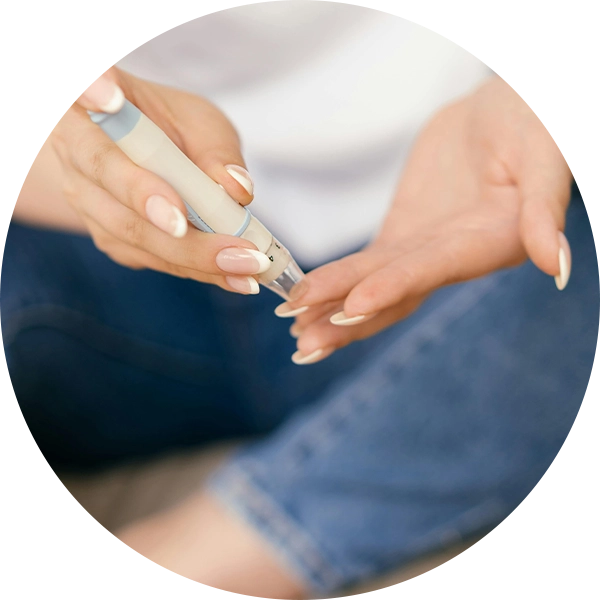
    Glucose meter icon symbolizing increased risk of type 2 diabetes due to insulin resistance in PCOS.

    Type 2 Diabetes

    Insulin resistance can progress to type 2 diabetes if not managed.
    Heart and warning symbol representing higher risk of heart disease and stroke in women with PCOS.

    Cardiovascular Disorders

    PCOS increases the risk of heart disease and stroke.
    Uterine cell icon illustrating increased risk of endometrial hyperplasia and cancer due to irregular menstruation in PCOS.

    Endometrial Cancer

    The lack of regular menstruation can increase the risk of endometrial hyperplasia and cancer.

    Pathogenesis Of PCOS (Samprapti)

    The pathogenesis of PCOS in Ayurveda is a profound and chronic process.
    1

    Kapha Aggravation and Ama

    An improper diet and lifestyle lead to a vitiation of Kapha and the formation of deep-seated Ama (toxins). 

    2

    Meda Dhatu Vriddhi

    The vitiated Kapha and Ama increase fat tissue (Meda Dhatu), leading to obesity and insulin resistance. 

    3

    Obstruction of Artava Channels

    The increased fat tissue and Ama physically obstruct the channels that govern the reproductive system (Artava Vaha Srotas), preventing the normal function of the ovaries. 

    4

    Vata Misdirection

    This obstruction causes Vata to move in an improper direction, disrupting the hormonal and menstrual cycles. 

    5

    Systemic Hormonal Chaos

    The disruption of the metabolic and hormonal functions leads to an increase in androgens, causing symptoms like hirsutism and acne, and impacting overall mental and physical health.

    Our 5-Step Healing Framework

    At Shree Ayurvedic®, we don’t stop at managing symptoms. We believe true healing comes from identifying and addressing the root cause of illness. Our time-tested approach blends classical Ayurveda with modern clinical insights, ensuring each patient receives a safe, personalized, and sustainable path to health.
    Comprehensive Diagnosis

    We begin with a detailed evaluation combining modern diagnostic tools with Ayurvedic assessments such as Prakriti (body constitution), Vikriti (current imbalance), dosha mapping, and lifestyle review. This dual lens helps us see the full picture of your health, beyond just the symptoms.

    Root Cause Identification

    Ayurveda teaches us that diseases are born from underlying imbalances; not just isolated issues. We carefully study dietary habits, digestion (Agni), toxin accumulation (Ama), stress, and daily routines to uncover the true root cause of your condition.

    Personalized Treatment Plan

    No two patients are alike. Your treatment is tailored to your unique body type (Vata, Pitta, Kapha), disease stage, and co-existing conditions. This ensures maximum effectiveness and safety, while restoring balance at the deepest level.

    Integrated Care

    Healing isn’t one-dimensional. Based on your needs, we combine:

    • Panchakarma therapies for detoxification
    • Ayurvedic medicines and formulations for repair and nourishment
    • Customized diet plans for dosha balance
    • Yoga, pranayama, and lifestyle corrections to support long-term recovery

    This integrated approach ensures that body, mind, and spirit heal together.

    Ongoing Guidance & Prevention

    Health doesn’t end with treatment. We equip you with home remedies, seasonal routines, lifestyle practices, and follow-up support to prevent relapse and help you sustain wellness for the long term.

    Ayurvedic Treatment For PCOS (Chikitsa)

    Ayurvedic treatment for PCOS is a long-term, systemic management approach that focuses on deep detoxification, hormonal and metabolic correction, and rejuvenation (Rasayana). The treatment is not just for the ovaries but for the entire body. It includes a comprehensive plan for hormonal regulation and metabolic correction. 

    Treatment According to Individual Body Types

    Vata Body Type

    The aim is to regulate Vata and restore the natural flow.

    The aim is to regulate Vata and restore the natural flow.

    • Panchakarma (Cleansing): A gentle form of Virechana (therapeutic purgation) is used to cleanse the system, avoiding harsh methods that can further aggravate the Vata dosha. Basti (medicated enema) is also highly recommended to pacify Vata, improve reproductive health, and regulate the menstrual cycle.
    • Rasayana (Rejuvenation): Nourishing herbs like Ashwagandha, Shatavari, and Bala are used to build strength, reduce stress, and support the reproductive tissues.
    • Diet and Lifestyle: A warm, nourishing diet is essential. Foods that are easy to digest and naturally sweet and sour should be prioritized. Daily oil massage Abhyanga with sesame oil and a consistent routine are crucial for calming the nervous system and balancing Vata.

    Pitta Body Type

    The aim is to regulate Vata and restore the natural flow.

    The focus is to cool the body and reduce inflammation.

    • Panchakarma (Cleansing): Virechana is the primary cleansing therapy for Pitta-type PCOS. This helps in detoxifying the liver and blood, which are the main seats of Pitta.
    • Rasayana (Rejuvenation): Cooling and purifying herbs like Guduchi, Neem, and Manjistha are used to cleanse the blood, reduce inflammation, and balance hormones.
    • Diet and Lifestyle: A cooling, non-spicy diet rich in bitter and astringent tastes is recommended. Avoiding fermented, spicy, and sour foods is important. Stress management through practices like meditation and Pranayama is crucial to cool the mind and body.

    Kapha Body Type

    The aim is to regulate Vata and restore the natural flow.

    The goal is to reduce Kapha and Ama.

    • Panchakarma (Cleansing): Vamana (therapeutic emesis) is the most effective therapy for Kapha-type PCOS, as it helps remove deep-seated toxins and mucus from the respiratory and digestive tracts. Virechana can also be used to further cleanse the system.
    • Rasayana (Rejuvenation): Herbs that stimulate metabolism, such as Guggulu, Punarnava, and Triphala, are used to burn fat, reduce cysts, and improve circulation.
    • Diet and Lifestyle: A light, warm, and dry diet is key. Avoid cold, heavy, and oily foods. Pungent and bitter tastes are beneficial. Regular exercise is essential to stimulate the metabolism and prevent further weight gain.

    Ayurvedic Diet

    Diet is a cornerstone of PCOS management and prevention.
    Consume

    Warm, cooked, and light foods. Include bitter and pungent vegetables like bitter gourd, spinach, and fenugreek. Incorporate spices like turmeric, ginger, and cinnamon, which improve insulin sensitivity. 

    Avoid

    Cold, heavy, and processed foods. Limit dairy products, refined sugars, white flour, and fried foods. Avoid excessive intake of sweet and sour fruits. 

    Preventive Measures

    Do's and Don'ts

    Do'sDon'ts

    Maintain a Regular Schedule: Go to bed and wake up at the same time to regulate hormones.

    Avoid a Sedentary Lifestyle: Engage in regular physical activity. 

    Manage Stress: Practice meditation, mindfulness, and gentle breathing exercises. 

    Avoid Excessive Coffee and Alcohol: These can disrupt hormonal balance. 

    Eat Regular Meals: Avoid skipping meals to maintain stable blood sugar. 

    Avoid Processed and Packaged Foods: They are high in sugar, unhealthy fats, and toxins. 

    Stay Hydrated: Drink warm water throughout the day to support metabolism and detoxification. 

    Don’t Suppress Emotions: Expressing your feelings in a healthy way is crucial for hormonal health. 

    Exercises & Yoga

    Yoga Poses

    Poses like Surya Namaskar (Sun Salutation) are great for overall hormonal balance. Bhujangasana (Cobra Pose) and Chakki Chalanasana (Grinding Mill Pose) are particularly beneficial for stimulating the reproductive organs. 

    Pranayama

    Bhramari (Humming Bee Breath) and Nadi Shodhana (Alternate Nostril Breathing) are excellent for calming the nervous system and managing stress. 

    Herbal and Home Remedies

    Guduchi (Tinospora cordifolia)

    A powerful detoxifier and immunomodulator that helps correct metabolic disorders.

    Shatavari (Asparagus racemosus)

    A classic female tonic that helps in hormonal regulation and stress reduction.

    Ashwagandha (Withania somnifera)

    An adaptogenic herb that helps manage stress and regulate hormonal function.

    Cinnamon and Fenugreek

    These kitchen herbs are excellent metabolic correctors that improve insulin sensitivity.
    Young woman sitting on her bed looking concerned, reflecting the emotional and physical challenges associated with PCOS.

    PCOS in Ayurveda: Avarana Janya Artava Dushti with Meda Dhatu Vriddhi

    In Ayurveda, PCOS is viewed as a systemic and chronic condition. While it falls under the umbrella of Avarana Janya Artava Dushti (menstrual disorders due to an obstruction), it is also deeply rooted in Meda Dhatu Vriddhi (an increase in fat tissue). The syndrome is a manifestation of a profound imbalance in all three doshas; Kapha, Vata, and Pitta.

    The core of the issue is Kapha’s heavy and slow qualities creating an obstruction, but this obstruction affects not just the reproductive system but the entire metabolism. The increased Kapha leads to an accumulation of fat tissue (Meda Dhatu) and toxins (Ama), which in turn disrupt the functions of Vata (movement) and Pitta (metabolism).

    Early Signs of Diabetes that you might notice

    The symptoms of PCOS are more systemic and widespread compared to PCOD, reflecting the involvement of multiple body systems.
    Woman holding a pregnancy test, representing infertility caused by irregular ovulation in PCOS.

    Infertility

    A primary concern for many women with PCOS due to irregular ovulation or anovulation.
    Close-up of a woman measuring her waist, indicating weight gain and metabolic imbalance in PCOS.

    Obesity and Weight Gain

    A major systemic symptom, often difficult to manage due to underlying insulin resistance.
    Person taking medication or supplements, symbolizing insulin resistance commonly seen in PCOS.

    Insulin Resistance

    This can manifest as increased sugar cravings and energy crashes.
    Woman holding her head in distress, depicting anxiety and mood swings linked to PCOS.

    Mood Disorders

    Increased risk of anxiety, depression, and mood swings.
    Close-up of acne on the chin and jawline, representing high androgen symptoms in PCOS such as hirsutism and acne.

    Higher Androgen Features

    Symptoms of high male hormone levels are more prominent, including severe hirsutism (excess body and facial hair), male-pattern baldness, and severe acne.
    Woman holding a hot water bag near abdomen, illustrating irregular or painful menstrual cycles in PCOS.

    Menstrual Irregularities

    Cycles are often prolonged, infrequent, or absent.
    Some people don’t experience these symptoms and blood tests often become the first indicator.

    Is Diabetes Reversible?

    This is one of the most common and important questions that our patients ask us to clarify.

    It may be possible to significantly improve blood sugar control, reduce symptoms, and support metabolic balance through the right combination of:

    • Diet changes
    • Weight management
    • Stress care
    • Physical activity
    • Ayurvedic guidance
    • Consistency

    For some patients with a history of diabetes, this may mean reducing medication dependency.
    For others, it may mean preventing complications and stabilising long-term health.
    Every body is different, every outcome is different and our healing process respects that.

    Is Diabetes Reversible?

    Root Causes Of PCOS (Nidana)

    The root causes of PCOS are complex and multi-faceted, reflecting the systemic nature of the syndrome.
    Processed food icon representing unhealthy diet and sedentary habits that aggravate Kapha and contribute to PCOS.

    Kapha Aggravating Diet and Lifestyle

    A diet rich in processed foods, unhealthy fats, and refined sugars, combined with a sedentary lifestyle, significantly increases Kapha and contributes to Meda Dhatu Vriddhi (excess fat tissue). 

    Syringe icon illustrating reduced insulin sensitivity, a key metabolic cause of PCOS.

    Insulin Resistance

    A key factor in PCOS is the body’s inability to use insulin effectively. This is a primary metabolic imbalance that Ayurveda links to a deep-seated Mandagni (weak digestive fire) and Kapha vitiation. 

    Stressed person icon symbolizing emotional stress disrupting hormonal balance and worsening PCOS symptoms.

    Chronic Stress

    Sustained mental and emotional stress leads to a constant vitiation of Vata and Pitta doshas, disrupting the delicate hormonal feedback loop that governs the menstrual cycle. 

    DNA helix icon icon depicting hereditary tendency or family history increasing risk of PCOS.

    Genetic Predisposition

    A family history of PCOS, insulin resistance, or diabetes can make one more susceptible to the condition. 

    Risk Factors of PCOS

    PCOS is associated with significant long-term systemic health risks.
    Icon representing metabolic syndrome, including high blood pressure, elevated blood sugar, and abnormal cholesterol levels; common risks associated with PCOS.

    Metabolic Syndrome

    This includes a cluster of conditions like high blood pressure, high blood sugar, and abnormal cholesterol levels.
    Glucose meter icon symbolizing increased risk of type 2 diabetes due to insulin resistance in PCOS.

    Type 2 Diabetes

    Insulin resistance can progress to type 2 diabetes if not managed.
    Heart and warning symbol representing higher risk of heart disease and stroke in women with PCOS.

    Cardiovascular Disorders

    PCOS increases the risk of heart disease and stroke.
    Uterine cell icon illustrating increased risk of endometrial hyperplasia and cancer due to irregular menstruation in PCOS.

    Endometrial Cancer

    The lack of regular menstruation can increase the risk of endometrial hyperplasia and cancer.

    When Should You Seek Support?

    If you have been recently diagnosed as diabetic or if you have been managing diabetes with medications and other alternate forms of treatment, you can seek support. It’s helpful to reach out especially if:

    • Blood sugars are consistently high
    • HbA1c has increased
    • You are newly diagnosed and unsure where to begin
    • You feel anxious or confused about diet and routine
    • You already use medication but want to improve lifestyle support
    • You’d like a personalised plan instead of trial-and-error habits

    A structured approach to managing diabetes brings clarity and reduces stress. 

    Connect With Us

      How Ayurveda Helps manage Diabetes

      Ayurveda views diabetes as a metabolic imbalance influenced by:

      • Digestion
      • Lifestyle patterns
      • Stress
      • Sleep
      • Genetic tendencies
      • Food and activity routines

      Rather than only focusing on blood sugar numbers, Ayurveda supports the whole system, including:

      • Metabolism
      • Digestion (Agni)
      • Stress response
      • Hormonal balance
      • Circulation
      • Energy and mood

      Treatment is personalised, not one-size-fits-all and includes:

      • Dietary guidance
      • Herbal support
      • Gentle detoxification (where relevant)
      • Sleep and lifestyle rhythm adjustments
      • Mind-body balance techniques
      Diabetes management through ayurveda

      Our 5-Step Healing Framework

      At Shree Ayurvedic®, we don’t stop at managing symptoms. We believe true healing comes from identifying and addressing the root cause of illness. Our time-tested approach blends classical Ayurveda with modern clinical insights, ensuring each patient receives a safe, personalized, and sustainable path to health.
      Comprehensive Diagnosis

      We begin with a detailed evaluation combining modern diagnostic tools with Ayurvedic assessments such as Prakriti (body constitution), Vikriti (current imbalance), dosha mapping, and lifestyle review. This dual lens helps us see the full picture of your health, beyond just the symptoms.

      Root Cause Identification

      Ayurveda teaches us that diseases are born from underlying imbalances; not just isolated issues. We carefully study dietary habits, digestion (Agni), toxin accumulation (Ama), stress, and daily routines to uncover the true root cause of your condition.

      Personalized Treatment Plan

      No two patients are alike. Your treatment is tailored to your unique body type (Vata, Pitta, Kapha), disease stage, and co-existing conditions. This ensures maximum effectiveness and safety, while restoring balance at the deepest level.

      Integrated Care

      Healing isn’t one-dimensional. Based on your needs, we combine:

      • Panchakarma therapies for detoxification
      • Ayurvedic medicines and formulations for repair and nourishment
      • Customized diet plans for dosha balance
      • Yoga, pranayama, and lifestyle corrections to support long-term recovery

      This integrated approach ensures that body, mind, and spirit heal together.

      Ongoing Guidance & Prevention

      Health doesn’t end with treatment. We equip you with home remedies, seasonal routines, lifestyle practices, and follow-up support to prevent relapse and help you sustain wellness for the long term.

      Ayurvedic Treatment For PCOS (Chikitsa)

      Ayurvedic treatment for PCOS is a long-term, systemic management approach that focuses on deep detoxification, hormonal and metabolic correction, and rejuvenation (Rasayana). The treatment is not just for the ovaries but for the entire body. It includes a comprehensive plan for hormonal regulation and metabolic correction. 

      Treatment According to Individual Body Types

      Vata Body Type

      The aim is to regulate Vata and restore the natural flow.

      The aim is to regulate Vata and restore the natural flow.

      • Panchakarma (Cleansing): A gentle form of Virechana (therapeutic purgation) is used to cleanse the system, avoiding harsh methods that can further aggravate the Vata dosha. Basti (medicated enema) is also highly recommended to pacify Vata, improve reproductive health, and regulate the menstrual cycle.
      • Rasayana (Rejuvenation): Nourishing herbs like Ashwagandha, Shatavari, and Bala are used to build strength, reduce stress, and support the reproductive tissues.
      • Diet and Lifestyle: A warm, nourishing diet is essential. Foods that are easy to digest and naturally sweet and sour should be prioritized. Daily oil massage Abhyanga with sesame oil and a consistent routine are crucial for calming the nervous system and balancing Vata.

      Pitta Body Type

      The aim is to regulate Vata and restore the natural flow.

      The focus is to cool the body and reduce inflammation.

      • Panchakarma (Cleansing): Virechana is the primary cleansing therapy for Pitta-type PCOS. This helps in detoxifying the liver and blood, which are the main seats of Pitta.
      • Rasayana (Rejuvenation): Cooling and purifying herbs like Guduchi, Neem, and Manjistha are used to cleanse the blood, reduce inflammation, and balance hormones.
      • Diet and Lifestyle: A cooling, non-spicy diet rich in bitter and astringent tastes is recommended. Avoiding fermented, spicy, and sour foods is important. Stress management through practices like meditation and Pranayama is crucial to cool the mind and body.

      Kapha Body Type

      The aim is to regulate Vata and restore the natural flow.

      The goal is to reduce Kapha and Ama.

      • Panchakarma (Cleansing): Vamana (therapeutic emesis) is the most effective therapy for Kapha-type PCOS, as it helps remove deep-seated toxins and mucus from the respiratory and digestive tracts. Virechana can also be used to further cleanse the system.
      • Rasayana (Rejuvenation): Herbs that stimulate metabolism, such as Guggulu, Punarnava, and Triphala, are used to burn fat, reduce cysts, and improve circulation.
      • Diet and Lifestyle: A light, warm, and dry diet is key. Avoid cold, heavy, and oily foods. Pungent and bitter tastes are beneficial. Regular exercise is essential to stimulate the metabolism and prevent further weight gain.

      Types of PCOS in Ayurveda

      While the doshas are involved in every case of PCOS, the mixed nature of the syndrome makes it common for a person to have a combination of dosha types.
      Ayurveda swirl icon representing Vata-predominant PCOS, characterized by irregular, infrequent, and scanty menstrual cycles.

      Vata-Predominant PCOS

      Characterized by irregular, infrequent, and scanty periods. The person may not be overweight but still suffers from the syndrome.
      Ayurvedic fire symbol representing Pitta-predominant PCOS with inflammation, acne, oily skin, and mood swings.

      Pitta-Predominant PCOS

      Symptoms of inflammation are prominent, including severe acne, oily skin, and mood swings.
      Ayurvedic leaf symbol representing Kapha-predominant PCOS associated with obesity, weight gain, and insulin resistance.

      Kapha-Predominant PCOS

      The most common type, characterized by significant weight gain, obesity, and lethargy. Insulin resistance is a major factor here.
      Ayurvedic tri-dosha flower icon representing mixed-type PCOS where Vata, Pitta, and Kapha symptoms overlap.

      Mixed-Type PCOS

      This is very common, where symptoms of all three doshas are present, making the treatment more complex and long-term.

      FAQs

      • Can Ayurveda cure PCOS permanently?
        Ayurveda focuses on addressing the root cause, which can lead to a significant reduction in symptoms and, in many cases, a reversal of the condition. However, continuous adherence to the prescribed diet and lifestyle is crucial to prevent recurrence.
      • How long does it take to see results with Ayurvedic treatment for PCOS?
        The duration varies depending on the severity of the condition and your commitment. You may begin to see improvements within 3-6 months, but a longer-term approach is often needed for lasting results.
      • Can I get pregnant with PCOS while on Ayurvedic treatment?
        Yes, many women have successfully conceived while undergoing Ayurvedic treatment for PCOS. The treatment helps restore hormonal balance and regulate ovulation, which are essential for fertility.

      Preventive Measures

      These are general suggestions, but your plan may differ depending on symptoms, medication, and health history:

      Do's

      • Daily Exercise: Engage in regular physical activity, like brisk walking or yoga.
      • Maintain a Regular Routine: Eat meals and sleep at consistent times.
      • Manage Stress: Practice meditation and pranayama to keep stress levels low.
      • Chew Food Thoroughly: Proper chewing aids digestion and prevents Ama formation.

      Don'ts

      • Avoid Sedentary Lifestyle: Do not sit or sleep for extended periods.
      • Avoid Excessive Sugar and Refined Carbs: These directly contribute to high blood sugar.
      • Don’t Suppress Natural Urges: This can lead to imbalances.
      • Avoid Cold Drinks and Foods: These can weaken the digestive fire.
      Even small changes, done consistently, make a meaningful difference to your management of Diabetes.

      Herbal and Home Remedies

      Guduchi (Tinospora cordifolia)

      A powerful detoxifier and immunomodulator that helps correct metabolic disorders.

      Shatavari (Asparagus racemosus)

      A classic female tonic that helps in hormonal regulation and stress reduction.

      Ashwagandha (Withania somnifera)

      An adaptogenic herb that helps manage stress and regulate hormonal function.

      Cinnamon and Fenugreek

      These kitchen herbs are excellent metabolic correctors that improve insulin sensitivity.
      Connect With Us

        0
          0
          Your Cart
          Your cart is emptyReturn to Shop