Piles

Piles, also known as hemorrhoids, are swollen and inflamed veins in the rectum and anus that cause discomfort and bleeding. They can be internal, developing inside the rectum, or external, forming under the skin around the anus. Piles are a common condition that can range from mild discomfort to significant pain and bleeding.

Connect With Us

    Piles in Ayurveda: Arsha

    In Ayurveda, piles are known as Arsha. The term “Arsha” is derived from the word “ari,” meaning an enemy, and “vat,” meaning to torment. Thus, Arsha is a disease that torments a person like an enemy, causing significant pain and discomfort.

    Ayurveda explains that Arsha is caused by an imbalance in all three doshas (Vata, Pitta, and Kapha), although one or two doshas are typically dominant. The primary cause, however, is a weakened digestive fire (Agni) and the accumulation of toxins (Ama) due to an unhealthy diet and lifestyle. The vitiated doshas, along with Ama, settle in the anal region, leading to the formation of fleshy growths or mounds, which are the hemorrhoids.

    Young man holding his lower back and pelvic area in discomfort while leaning forward on a chair, depicting pain commonly associated with piles or hemorrhoids.

    Root Causes Of Piles (Nidana)

    According to Ayurveda, the root causes of Arsha are deeply connected to digestive imbalance and lifestyle choices.
    Stomach with fire icon symbolizing weak digestive fire, representing poor digestion leading to toxin buildup.
    Weakened Digestive Fire (Mandagni)

    This is the primary cause. A weak Agni leads to poor digestion and the formation of Ama (undigested toxins). 

    Intestine with colon icon representing irregular bowel habits and chronic constipation.
    Irregular Bowel Habits

    Chronic constipation or straining during bowel movements is a major trigger. 

    Diet chart icon symbolizing a Vata-aggravating diet of dry, cold, and light foods.
    Vata Aggravating Diet and Lifestyle

    Consuming cold, dry, light foods, excessive fasting, and a sedentary lifestyle can lead to an increase in Vata, which causes dryness and hardness of stools. 

    Spicy food dish icon indicating a Pitta-aggravating diet with hot, spicy, and pungent foods.
    Pitta Aggravating Diet

    Eating spicy, hot, and pungent foods, along with excessive alcohol consumption, can increase Pitta, leading to inflammation and bleeding. 

    Processed food icon representing a Kapha-aggravating diet high in oily, heavy, and fried foods.
    Kapha Aggravating Diet

    Consuming heavy, oily, and fried foods and a lack of physical activity can increase Kapha, leading to the formation of bulky, non-bleeding hemorrhoids. 

    Large and small intestine icon symbolizing suppression of natural urges like passing stool or gas.”
    Suppressing Natural Urges

    Repeatedly holding back the urge to pass stools or gas can disrupt the natural flow of Vata. 

    Person sitting on a chair icon representing prolonged sitting or standing increasing rectal pressure.
    Excessive Sitting or Standing

    Occupations that require long periods of sitting or standing can increase pressure in the rectal area. 

    Symptoms Of Piles (Lakshanas)

    The symptoms of Arsha depend on the dominant dosha, but common signs include:
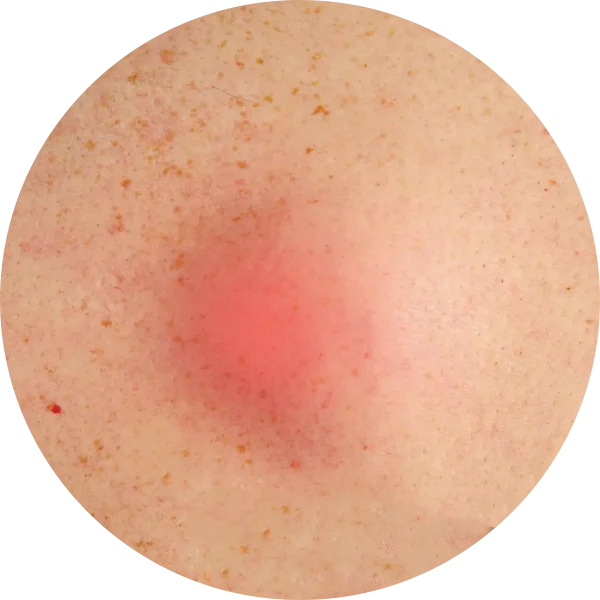
    Close-up image showing a red, inflamed lump on the skin near the anal area, representing fleshy growths seen in piles.

    Fleshy Growths
    (Guda Pidika)

    The presence of masses or lumps in or around the anus.
    Image showing splattered bright red blood, symbolizing rectal bleeding commonly seen during bowel movements in piles.

    Bleeding
    (Raktastrava)

    Bright red blood during or after bowel movements.

    Pain
    (Shoola)

    Pain or discomfort in the anal region.
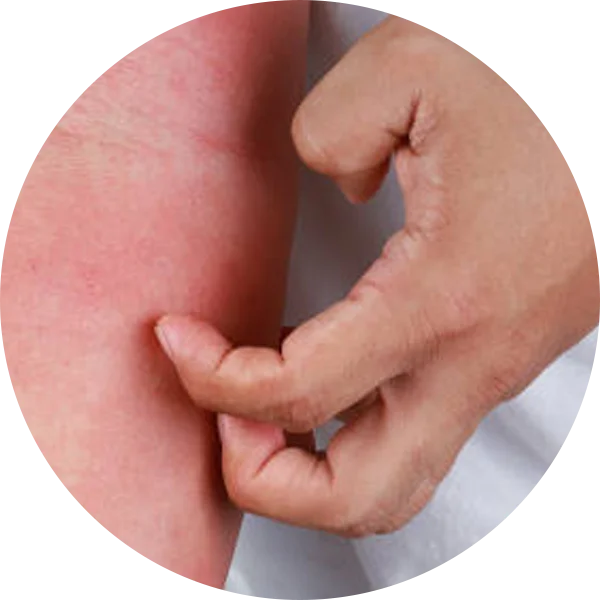
    Close-up image of a person scratching the anal region, representing persistent itching caused by piles.

    Itching
    (Kandu)

    Persistent itching around the anus.
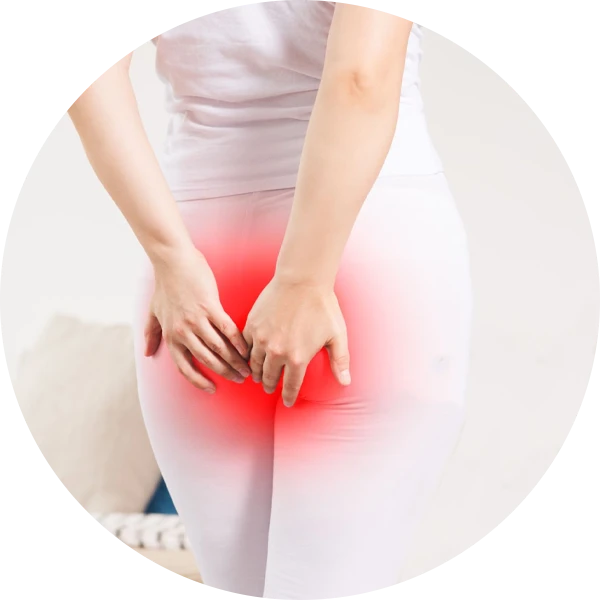
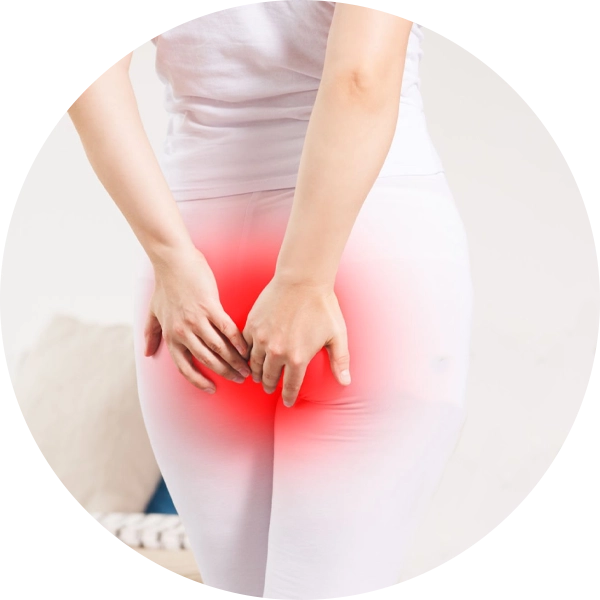
    Man holding his lower buttock area with visible discomfort, indicating swelling around the anus due to piles.

    Swelling
    (Guda Shopha)

    Swelling in the anal area.
    Man covering his nose with his hand due to an unpleasant odor, illustrating foul smell associated with severe piles.

    Foul Smell
    (Durgandha)

    An unpleasant odor due to accumulated toxins.

    Tiredness
    (Avasada)

    A general feeling of fatigue due to chronic discomfort and blood loss.

    Types of Piles in Ayurveda

    Ayurveda classifies Arsha based on the dominant dosha, as this determines the specific symptoms and treatment.
    Ayurveda swirl icon representing Vata dosha dominance, symbolizing Vataja Arsha hemorrhoids.

    Vataja Arsha

    Characterized by a dominant Vata dosha. Symptoms include severe pain, a feeling of dryness, and hard, constipated stools. The hemorrhoids are dry, small, and often blackish in color.
    Ayurvedic fire symbol representing Pitta dosha dominance in Pittaja Arsha hemorrhoids.

    Pittaja Arsha

    Characterized by a dominant Pitta dosha. Symptoms include bleeding, a burning sensation, and a feeling of warmth in the anal area. The hemorrhoids are soft, reddish, and may be inflamed.
    Ayurvedic leaf symbol symbolizing Kapha dosha imbalance associated with Kaphaja Arsha hemorrhoids.

    Kaphaja Arsha

    Characterized by a dominant Kapha dosha. Symptoms include a heavy, swollen, and moist feeling. The hemorrhoids are large, pale, and do not bleed. There may be a sensation of itching.
    Three-petal Ayurveda icon representing the involvement of all three doshas, Vata, Pitta, and Kapha, in Tridoshaja Arsha.

    Tridoshaja Arsha

    A combination of all three doshas, leading to mixed and severe symptoms. This is considered the most difficult type to treat.

    Risk Factors of Piles

    Person sitting on a toilet icon symbolizing chronic constipation as a major risk factor for piles.

    Chronic Constipation

    This is the single biggest risk factor for developing piles.
    Pregnant woman holding her belly icon representing pregnancy as a risk factor for piles

    Pregnancy

    The increased pressure on the pelvis and hormonal changes during pregnancy can lead to the development of piles.
    Abdominal icon symbolizing obesity-related pressure on rectal veins.

    Obesity

    Excess body weight puts added pressure on the rectal veins.
    2 aged people icon representing increased piles risk with aging.

    Age

    The risk of developing piles increases with age.
    DNA helix icon representing hereditary or genetic predisposition to developing piles.

    Genetics

    A family history of piles can increase your susceptibility.
    Intestines with motion lines, symbolizing chronic diarrhea contributing to piles risk.

    Diarrhea

    Chronic diarrhea can also lead to straining and irritation.

    Pathogenesis Of Piles (Samprapti)

    The pathogenesis of Arsha follows a clear pathway in Ayurveda:
    1

    Mandagni (Weakened Digestive Fire)

    Due to improper diet and lifestyle, the Agni becomes weak, leading to improper digestion. 

    2

    Ama Sanchaya (Ama Accumulation)

    The undigested food forms Ama (toxins), which circulates in the body. 

    3

    Vata Prakopa (Vata Aggravation)

    Irregular bowel habits and straining cause a downward and outward movement of Vata.

    4

    Srotorodha (Channel Obstruction)

    The vitiated doshas and Ama obstruct the channels in the anal region, leading to a buildup of pressure. 

    5

    Mamsa Dhatu Dushti (Tissue Impairment)

    This pressure and obstruction cause a vitiation of the muscle tissue (Mamsa Dhatu), leading to the formation of the fleshy growths. 

    6

    Arsha Roga Utpatti (Manifestation of Piles)

    The growths manifest as piles, causing a range of symptoms depending on the dominant dosha. 

    Our 5-Step Healing Framework

    At Shree Ayurvedic®, we don’t stop at managing symptoms. We believe true healing comes from identifying and addressing the root cause of illness. Our time-tested approach blends classical Ayurveda with modern clinical insights, ensuring each patient receives a safe, personalized, and sustainable path to health.
    Comprehensive Diagnosis

    We begin with a detailed evaluation combining modern diagnostic tools with Ayurvedic assessments such as Prakriti (body constitution), Vikriti (current imbalance), dosha mapping, and lifestyle review. This dual lens helps us see the full picture of your health, beyond just the symptoms.

    Root Cause Identification

    Ayurveda teaches us that diseases are born from underlying imbalances; not just isolated issues. We carefully study dietary habits, digestion (Agni), toxin accumulation (Ama), stress, and daily routines to uncover the true root cause of your condition.

    Personalized Treatment Plan

    No two patients are alike. Your treatment is tailored to your unique body type (Vata, Pitta, Kapha), disease stage, and co-existing conditions. This ensures maximum effectiveness and safety, while restoring balance at the deepest level.

    Integrated Care

    Healing isn’t one-dimensional. Based on your needs, we combine:

    • Panchakarma therapies for detoxification
    • Ayurvedic medicines and formulations for repair and nourishment
    • Customized diet plans for dosha balance
    • Yoga, pranayama, and lifestyle corrections to support long-term recovery

    This integrated approach ensures that body, mind, and spirit heal together.

    Ongoing Guidance & Prevention

    Health doesn’t end with treatment. We equip you with home remedies, seasonal routines, lifestyle practices, and follow-up support to prevent relapse and help you sustain wellness for the long term.

    Ayurvedic Treatment For Piles (Chikitsa)

    Ayurvedic treatment for Arsha focuses on correcting the digestive fire, balancing the vitiated doshas, and reducing the size of the hemorrhoids. The treatment approach is multifaceted and personalized. 

    Treatment According to Individual Body Types

    Vata Body Type

    The goal is to pacify Vata, relieve constipation, and reduce pain.

    The goal is to pacify Vata, relieve constipation, and reduce pain.

    • Herbs: Triphala, Haritaki, and Guggulu are used to regulate bowel movements and reduce inflammation.
    • Panchakarma: Sneha Basti (medicated enema) with Vata-pacifying oils is highly effective in relieving constipation and nourishing the tissues.
    • Diet: Warm, cooked, and oily foods. Avoid cold and dry foods.

    Pitta Body Type

    The goal is to pacify Vata, relieve constipation, and reduce pain.

    The aim is to cool the body, reduce bleeding, and calm inflammation.

    • Herbs: Haridra (Turmeric), Guduchi, and Manjistha are used to stop bleeding and cleanse the blood.
    • Panchakarma: Virechana (therapeutic purgation) helps to cleanse excess Pitta from the body.
    • Diet: Emphasize cooling and light foods. Avoid spicy, hot, and fermented items.

    Kapha Body Type

    The goal is to pacify Vata, relieve constipation, and reduce pain.

    The focus is to reduce the size of the hemorrhoids and remove Ama.

    • Herbs: Trikatu (a blend of ginger, black pepper, and long pepper) and Punarnava are used to improve digestion and reduce swelling.
    • Panchakarma and Udwarthanam: Udwartana (powder massage) and Vamana (therapeutic emesis) can be recommended to remove excess Kapha and toxins.
    • Diet: Light, warm, and dry foods. Avoid dairy, fried foods, and refined sugars.

    Ayurvedic Diet

    A balanced diet is crucial for managing and preventing piles.
    Consume

    High-fiber foods like whole grains, fresh fruits (especially papaya, figs), and leafy greens. Drink plenty of warm water. Include spices like cumin, fennel, and ginger that aid digestion. 

    Avoid

    Processed foods, excessive salt, refined flour products, junk food, and spicy, fried items. Limit alcohol, coffee, and other dehydrating drinks. 

    Preventive Measures

    Do's and Don'ts

    Do'sDon'ts

    Maintain Regular Bowel Habits: Go to the bathroom as soon as you feel the urge. 

    Avoid Straining: Do not strain during bowel movements. 

    Stay Hydrated: Drink warm water throughout the day.

    Avoid Prolonged Sitting: Get up and move around periodically. 

    Eat Fiber-Rich Foods: Include plenty of fresh fruits and vegetables. 

    Don’t Suppress Natural Urges: Never hold back the urge to pass gas or stool. 

    Use a Squat Toilet or Stool: This position facilitates easier bowel movements. 

    Avoid Heavy Lifting: Heavy lifting can put pressure on the rectal veins. 

    Exercises & Yoga

    Gentle Exercises

    Walking and swimming improve circulation and bowel regularity.

    Yoga Poses

    Poses like Vajrasana (Thunderbolt Pose) can aid digestion. Malasana (Garland Pose) helps to relax the pelvic floor and facilitate bowel movements. 

    Pranayama

    Kapalbhati and Bhastrika help in strengthening the core and improving digestive fire. 

    Herbal and Home Remedies

    Triphala

    This is a cornerstone of Ayurvedic treatment for piles. Taking 1 teaspoon of Triphala powder with warm water at bedtime helps to regulate bowel movements and cleanse the system.

    Aloe Vera Gel

    Applying pure Aloe Vera gel to external hemorrhoids can soothe the area and reduce inflammation.

    Sitz Bath

    A warm sitz bath with a decoction of herbs like Triphala or Manjistha can provide immense relief from pain and itching.

    Buttermilk with Cumin

    Drinking a glass of buttermilk with a pinch of roasted cumin powder and rock salt helps to improve digestion and reduce symptoms.

    Arshakuthar Ras

    An Ayurvedic formulation known for its effectiveness in treating piles. It should be taken under the guidance of an Ayurvedic expert.

    FAQs

    • Can Piles be treated without surgery with Ayurveda?
      Yes, for most non-severe cases, Ayurvedic treatments like herbal remedies, diet, and lifestyle changes can effectively manage and even cure piles without the need for surgery. However, in advanced cases, surgery may be the only option.
    • Is it okay to eat spicy food if I have piles?
      No, spicy food and other hot, pungent items can aggravate Pitta dosha, leading to inflammation and bleeding. It is best to avoid them to prevent flare-ups.
    • How can I prevent piles from recurring?
      The best way to prevent recurrence is to address the root cause, which is often chronic constipation. By maintaining a healthy diet rich in fiber, staying hydrated, and leading an active lifestyle, you can ensure regular bowel movements and prevent the condition from returning.
    0
      0
      Your Cart
      Your cart is emptyReturn to Shop