Sciatica

Sciatica is a type of nerve pain that affects the sciatic nerve, the largest nerve in the body, which runs from the lower back through the hips and buttocks and down each leg. It’s not a condition in itself but a symptom of an underlying issue, such as a herniated disc, spinal stenosis, or bone spurs, that puts pressure on the sciatic nerve. The pain can range from a mild ache to a sharp, burning sensation or excruciating discomfort. It typically affects only one side of the body.

Connect With Us

    Sciatica in Ayurveda: Gridhrasi

    In Ayurveda, sciatica is known as Gridhrasi, named after the gait of a vulture (gridhra), which resembles the characteristic hobbling walk of a person suffering from the condition. Gridhrasi is primarily a Vata disorder, as Vata dosha governs all movement, including nerve impulses and bodily functions.

    The condition arises when the natural downward and outward movement of Vata is obstructed or aggravated in the lower back and hip region. This vitiated Vata then affects the sciatic nerve, leading to the sharp, shooting pain and other symptoms.

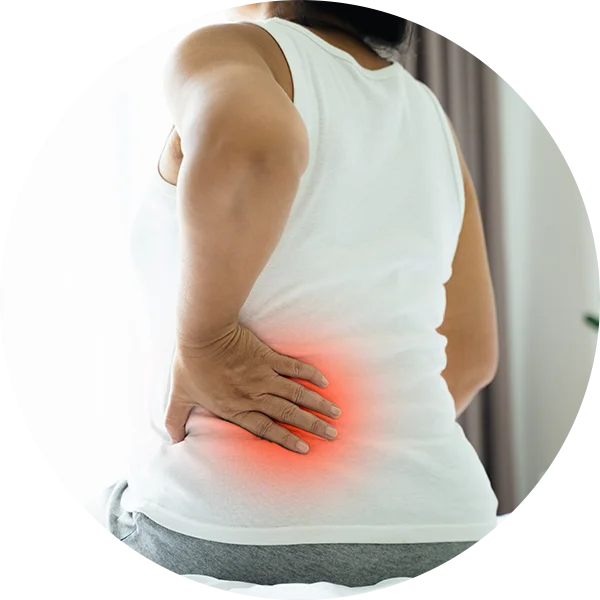
    Woman sitting on a bed holding her lower back and hip in pain, indicating sciatic nerve discomfort.

    Root Causes Of Sciatica (Nidana)

    According to Ayurveda, the root causes of Gridhrasi are primarily related to an aggravated Vata dosha and the accumulation of toxins (Ama) that obstruct the nerve channels.
    Diet chart icon representing diet and lifestyle habits that aggravate Vata and contribute to sciatica.
    Vata-Aggravating Diet and Lifestyle

    Consuming cold, dry, and light foods; irregular meal times; excessive fasting; and a lifestyle with excessive travel, stress, or irregular sleep can all increase Vata.

    Person on a chair icon illustrating poor posture or heavy lifting putting strain on the lower spine.
    Improper Posture and Strenuous Exercise

    Wrong sitting or standing postures, as well as lifting heavy weights or overexerting the body, can put pressure on the lower spine, a key location for Vata. 

    Stomach with fire icon symbolizing weak digestion leading to toxin buildup affecting nerve channels.
    Weakened Digestive Fire (Mandagni)

    A sluggish metabolism leads to the formation of Ama (undigested toxins). This Ama can lodge in the nerve channels, obstructing the flow of Vata. 

    Large and small intestine icon showing suppression of natural urges disrupting Vata flow in the lower body.
    Suppressing Natural Urges

    Holding back urges to urinate, pass stools, or release gas can disrupt the natural flow of Vata in the lower body. 

    Band aid icon depicting lower back injury contributing to sciatic nerve imbalance.
    Trauma or Injury

    A past injury to the lower back can disrupt the natural balance and predispose the area to Vata vitiation.

    Symptoms Of Sciatica (Lakshanas)

    The symptoms of Gridhrasi are a direct result of Vata's qualities of dryness, coldness, and mobility.
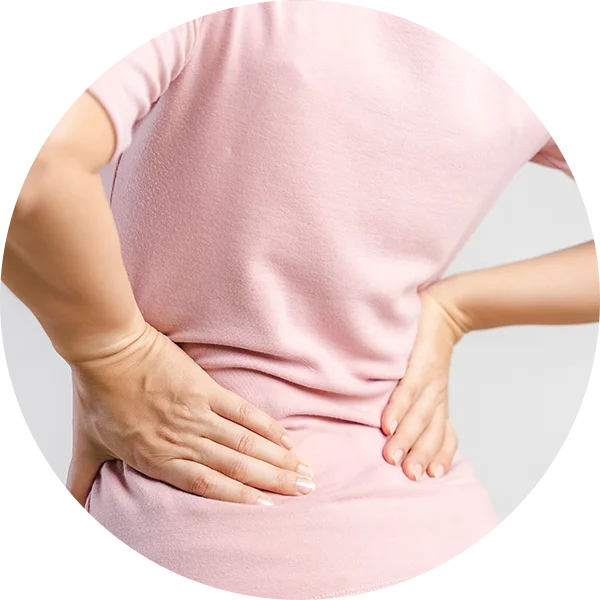
    Person holding lower back with radiating pain toward the buttocks, indicating sharp sciatic pain.

    Stabbing Pain
    (Toda)

    The hallmark symptom is a sharp, shooting pain that radiates from the lower back down the buttocks and along the back of the leg.
    Person pressing lower back to show stiffness in the back and hips from sciatica.

    Stiffness
    (Stambha)

    A feeling of stiffness in the lower back and hips, especially in the morning or after prolonged sitting.
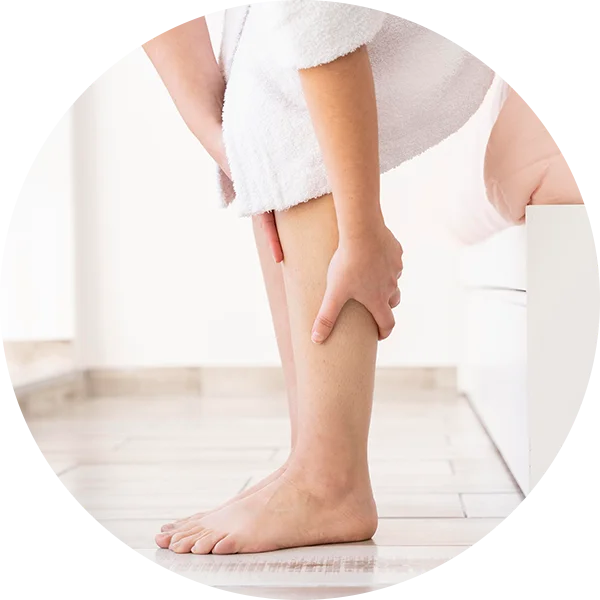
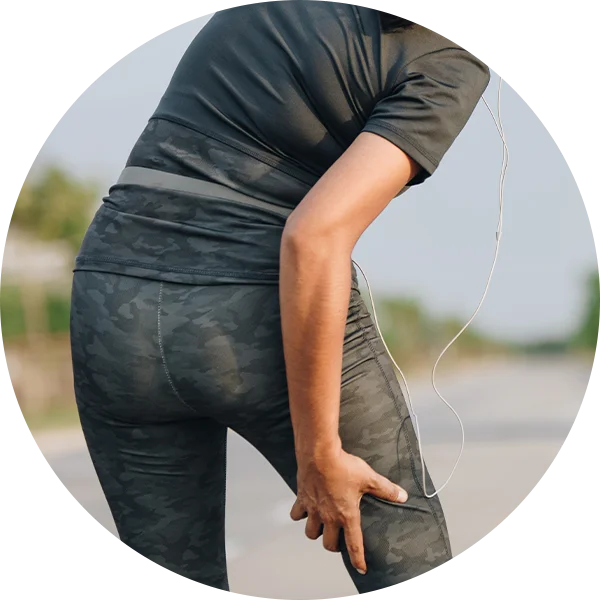
    Person touching leg to depict numbness or tingling caused by sciatic nerve irritation.

    Tingling Sensation
    (Spandana)

    A feeling of numbness, tingling, or "pins and needles" in the leg or foot.
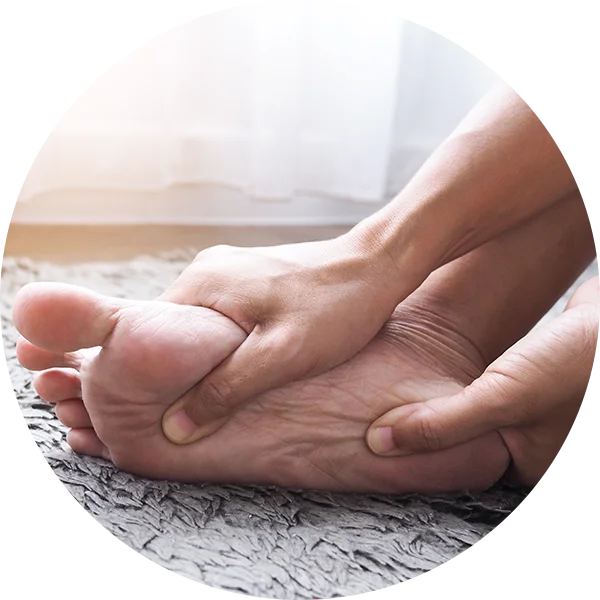
    Hands holding the foot to illustrate weakness or reduced sensation in the leg due to sciatica.

    Loss of Function
    (Kriyakshaya)

    In severe cases, there can be muscle weakness or a loss of sensation in the affected leg.
    Person bending with hand on lower back to represent recurring sciatic pain episodes.

    Recurrent Pain
    (MuhurMuhur Vedana)

    The pain often comes in episodes, worsening with movement and improving with rest.

    Types of Sciatica in Ayurveda

    Ayurveda classifies Gridhrasi based on the doshic involvement.
    Ayurveda swirl icon symbolizing Vata-related sciatica with radiating pain and stiffness.

    Vataja Gridhrasi

    The most common type. Symptoms are primarily Vata-related: severe, radiating pain, numbness, stiffness, and a feeling of coldness. The pain is often migratory.
    Ayurvedic fire symbol representing Pitta-related sciatica with burning sensation and inflammation.

    Pitta-Anubandha Gridhrasi

    If Pitta dosha is involved, there can be a burning sensation or inflammation along the nerve path.
    Ayurvedic leaf symbol depicting Kapha-related sciatica with heaviness, swelling, and dull aching pain.

    Kapha-Anubandha Gridhrasi

    When Kapha dosha is involved, there may be a feeling of heaviness, swelling, or a dull ache. The pain is often less intense but persistent.

    Risk Factors of Sciatica

    2 aged people icon illustrating age-related spinal changes increasing the risk of sciatica.

    Age

    Sciatica is more common in people aged 30-50 due to age-related changes in the spine.
    Abdominal icon representing excess body weight putting pressure on the spine and sciatic nerve.

    Obesity

    Excess weight puts immense pressure on the spine and can compress the sciatic nerve.
    Hard-hat and gear icon showing jobs requiring heavy lifting, twisting, or prolonged sitting as risk factors for sciatica.

    Occupation

    Jobs that require long periods of sitting, or those that involve heavy lifting or twisting, can increase the risk.
    BP measure instrument icon symbolizing high blood sugar causing nerve damage that can increase sciatica risk.

    Diabetes

    High blood sugar can lead to nerve damage, increasing the risk of sciatica.
    Lifestyle habit icon depicting lack of physical activity leading to weak core muscles and higher sciatica risk.

    Sedentary Lifestyle

    Lack of exercise weakens the core muscles, which support the spine.

    Pathogenesis Of Sciatica (Samprapti)

    The pathogenesis of Gridhrasi is a multi-step process that leads to the manifestation of symptoms.
    1

    Vata Prakopa (Vata Aggravation)

    Due to improper diet and lifestyle, the Vata dosha becomes vitiated in the lower body. 

    2

    Ama Sanchaya (Ama Accumulation)

    Weak digestion leads to the formation of Ama (toxins). 

    3

    Srotorodha (Channel Obstruction)

    The aggravated Vata, with the support of Ama, obstructs the channels that nourish the lower back and sciatic nerve. 

    4

    Vata Margavarana (Obstruction of Vata)

    The obstruction forces Vata to move in an improper direction, causing it to affect the sciatic nerve specifically.

    5

    Gridhrasi Roga Utpatti (Manifestation of Sciatica)

    This leads to the characteristic symptoms of sharp, shooting pain and other neurological signs.

    Our 5-Step Healing Framework

    At Shree Ayurvedic®, we don’t stop at managing symptoms. We believe true healing comes from identifying and addressing the root cause of illness. Our time-tested approach blends classical Ayurveda with modern clinical insights, ensuring each patient receives a safe, personalized, and sustainable path to health.
    Comprehensive Diagnosis

    We begin with a detailed evaluation combining modern diagnostic tools with Ayurvedic assessments such as Prakriti (body constitution), Vikriti (current imbalance), dosha mapping, and lifestyle review. This dual lens helps us see the full picture of your health, beyond just the symptoms.

    Root Cause Identification

    Ayurveda teaches us that diseases are born from underlying imbalances; not just isolated issues. We carefully study dietary habits, digestion (Agni), toxin accumulation (Ama), stress, and daily routines to uncover the true root cause of your condition.

    Personalized Treatment Plan

    No two patients are alike. Your treatment is tailored to your unique body type (Vata, Pitta, Kapha), disease stage, and co-existing conditions. This ensures maximum effectiveness and safety, while restoring balance at the deepest level.

    Integrated Care

    Healing isn’t one-dimensional. Based on your needs, we combine:

    • Panchakarma therapies for detoxification
    • Ayurvedic medicines and formulations for repair and nourishment
    • Customized diet plans for dosha balance
    • Yoga, pranayama, and lifestyle corrections to support long-term recovery

    This integrated approach ensures that body, mind, and spirit heal together.

    Ongoing Guidance & Prevention

    Health doesn’t end with treatment. We equip you with home remedies, seasonal routines, lifestyle practices, and follow-up support to prevent relapse and help you sustain wellness for the long term.

    Ayurvedic Treatment For Sciatica (Chikitsa)

    Ayurvedic treatment for Gridhrasi is a holistic approach focused on pacifying Vata, removing Ama, and strengthening the affected area.

    Treatment According to Individual Body Types

    Vata Body Type

    The primary goal is to balance Vata. Abhyanga (oil massage) with warm, medicated oils like Mahanarayana or Ksheerabala oil is highly effective. Basti (medicated enema) is crucial as the colon is the primary seat of Vata.

    Pitta Body Type

    The focus is to calm Pitta and reduce inflammation. Gentle Abhyanga with cooling oils like coconut or sunflower oil. Virechana (therapeutic purgation) helps to cleanse excess Pitta.

    Kapha Body Type

    The aim is to reduce heaviness and stiffness. Ruksha Swedana (dry fomentation) and Udwartana (herbal powder massage) are beneficial.

    Ayurvedic Diet

    A proper diet is fundamental to managing sciatica.
    Consume

    Warm, cooked, and oily foods. Include healthy fats like ghee and sesame oil. Eat spices like ginger, garlic, and turmeric, which help reduce Ama. 

    Avoid

    Cold, dry, and raw foods (salads, raw vegetables), excessive beans, cabbage, and other Vata-aggravating foods. Avoid processed foods, junk food, and refrigerated items. 

    Preventive Measures

    Do's and Don'ts

    Do'sDon'ts

    Maintain Proper Posture: Sit and stand straight to reduce pressure on the spine. 

    Avoid Prolonged Sitting: Take breaks and stretch frequently. 

    Stay Hydrated: Drink warm water throughout the day. 

    Avoid Cold Exposure: Protect your lower back from cold and wind. 

    Regular Abhyanga: Self-massage with warm sesame oil nourishes the joints and calms Vata. 

    Don’t Suppress Natural Urges: Avoid holding back urges to pass stools or gas. 

    Practice Gentle Exercise: Regular, low-impact activity strengthens muscles. 

    Avoid Heavy Lifting and Strenuous Exercise: These can put strain on the lower back. 

    Exercises & Yoga

    Gentle Yoga

    Poses like Marjaryasana (Cat-Cow Pose) and Balasana (Child’s Pose) are excellent for gentle spinal stretching. .

    Pranayama

    Nadi Shodhana (Alternate Nostril Breathing) helps calm the nervous system and manage stress.

    Herbal and Home Remedies

    Mahanarayana Oil

    Massaging the affected area with this oil can provide significant relief from pain and stiffness.

    Dashamula Kwatha

    A decoction of the ten roots (Dashamula) can be taken to pacify Vata and reduce pain.

    Haridra (Turmeric)

    Turmeric is a potent anti-inflammatory. Taking it with warm milk can help reduce pain.

    Ginger and Garlic

    A paste made from these herbs and applied to the lower back can provide warmth and reduce pain.

    FAQs

    • Can Ayurveda cure sciatica?
      Yes, Ayurveda provides a comprehensive and effective treatment plan that addresses the root cause of sciatica by pacifying Vata and removing Ama. This can lead to a complete and lasting recovery in many cases.
    • Is it safe to exercise with sciatica?
      Yes, gentle exercises are crucial. However, it's vital to avoid any strenuous activity or exercise that puts pressure on the lower back. Consult with an Ayurvedic expert to get a tailored exercise plan.
    • How long does it take to see results with Ayurvedic treatment?
      The duration of treatment varies depending on the severity and chronicity of the condition. You may feel initial relief within a few weeks, but a full treatment protocol can take several months to achieve a complete and lasting cure.
    0
      0
      Your Cart
      Your cart is emptyReturn to Shop